Window tinting is one of the most practical upgrades a vehicle owner can make. Beyond aesthetics, it serves a functional role, improving comfort, protecting health, and extending the life of a car’s interior. Whether you drive daily in intense sunlight or simply want more privacy and efficiency, tinting offers a wide range of benefits that go far beyond appearance.
This guide breaks down how window tint works, the different types available, and the most important reasons drivers choose it today.
What Is Window Tinting?
Window tinting refers to the application of a thin, transparent or semi-transparent film onto vehicle glass. This film is engineered to filter sunlight, reduce glare, and block ultraviolet (UV) rays.
Modern tinting films are designed with advanced materials such as dyes, metals, or ceramic particles. These materials determine how effectively the film rejects heat and how it interacts with electronic signals or visibility.
Unlike older tinting methods, today’s films are optically clear from the inside while still providing strong external shading and protection. This makes driving more comfortable without significantly reducing visibility.
Types of Window Tint
Understanding the different types of tint helps vehicle owners choose the right balance between performance, cost, and durability.
1. Dyed Window Film
Dyed film is the most basic type of tint. It works by absorbing sunlight and reducing brightness inside the vehicle. While it improves appearance and provides some heat reduction, it is generally less effective in extreme heat conditions and may fade over time.
2. Metalized Film
Metalized tint includes microscopic metallic particles that reflect sunlight and strengthen the glass. This improves heat rejection and durability. However, it can sometimes interfere with GPS signals, mobile reception, or radio clarity due to its reflective properties.
3. Ceramic Film
Ceramic tint is considered the highest-performance option. It uses non-metallic ceramic particles to block heat and UV rays without affecting electronic signals. It also maintains excellent clarity and does not fade easily, making it a long-term investment for vehicle owners.
Understanding Tint Darkness (VLT)
Window tint darkness is measured by Visible Light Transmission (VLT), which refers to the percentage of light allowed through the film.
- Lower VLT = darker tint = less light entering the car
- Higher VLT = lighter tint = more visibility inside the car
For example, a 20% VLT tint allows only 20% of visible light through, creating a darker appearance and greater heat reduction. However, legal limits vary depending on jurisdiction, and drivers must ensure compliance with local regulations.
8 Key Reasons to Tint Your Car Windows
Window tinting offers a combination of comfort, safety, and long-term value. Below are the most important benefits drivers experience.
1. Protection from Harmful UV Rays
One of the most important benefits of tinting is protection against ultraviolet radiation. Prolonged exposure to UV rays can contribute to skin damage and increase long-term health risks. High-quality films can block up to 99% of UV radiation, making driving significantly safer for both drivers and passengers.
2. Reduced Interior Heat
Vehicles parked or driven under direct sunlight can quickly become extremely hot. Window tint helps reduce solar heat gain, lowering interior temperatures and making the vehicle more comfortable even before the air conditioning is turned on.
3. Improved Driving Visibility
Glare from sunlight or reflective surfaces can reduce visibility and increase the risk of accidents. Tinting helps soften harsh light, allowing drivers to maintain better focus on the road and reduce eye strain during long trips.
4. Enhanced Privacy and Security
Tinted windows make it harder for outsiders to see inside the vehicle. This added privacy helps protect personal belongings from opportunistic theft and also creates a more comfortable environment for passengers.
5. Interior Preservation
Sun exposure can cause dashboards, leather seats, and upholstery to fade, crack, or deteriorate over time. Tint acts as a protective barrier that slows down this damage, helping maintain the vehicle’s interior condition and resale value.
6. Improved Vehicle Appearance
Many vehicle owners choose tinting for its aesthetic appeal. It gives cars a more polished, modern, and uniform look. Even subtle tinting can significantly enhance a vehicle’s overall visual appeal.
7. Increased Resale Value
A well-maintained vehicle with quality window tinting often attracts more buyers. Since tint protects both interior comfort and resale value, it is seen as a valuable upgrade that can positively influence resale pricing.
8. Better Energy Efficiency
By reducing heat in the cabin, window tinting reduces the need for constant air conditioning. This can lead to slightly improved fuel efficiency over time, especially in hot climates where cooling systems are used frequently.
Professional Installation and Why It Matters
Proper installation is critical for achieving long-lasting performance. Poorly applied tint can bubble, peel, or distort visibility over time.
Professional installers ensure:
- Clean, dust-free application
- Proper film selection based on needs
- Compliance with legal tint limits
- Long-term durability and warranty coverage
For example, many vehicle owners researching window tinting in Middletown, OH are specifically looking for certified installers who can ensure both legal compliance and high-performance results.
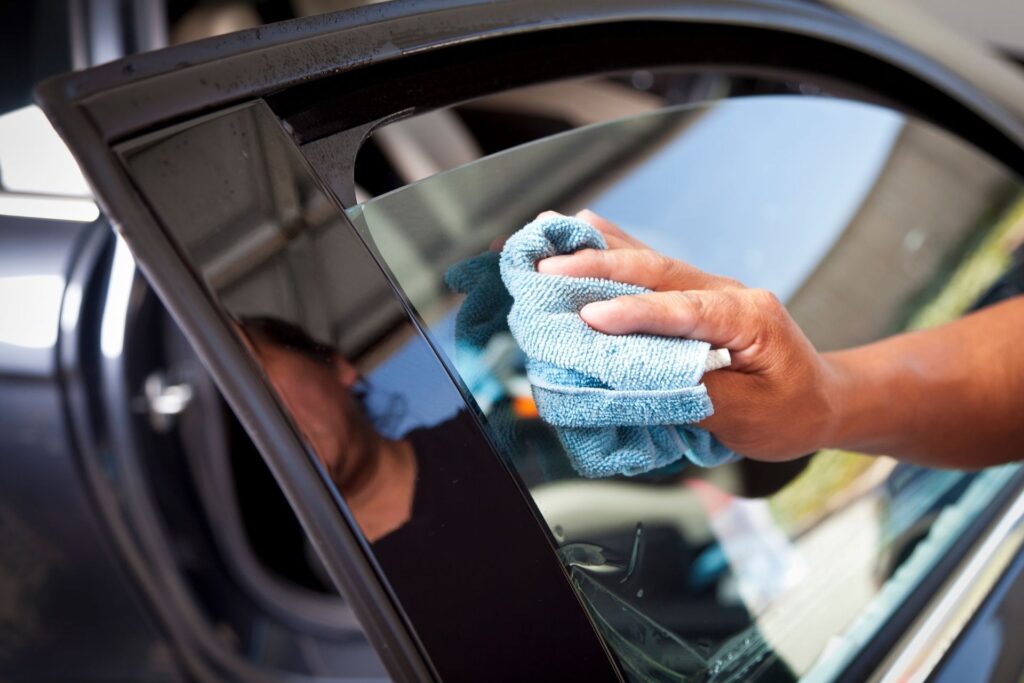
Choosing the Right Tint for Your Needs
Different drivers have different priorities. Some focus on maximum heat rejection, while others prioritize aesthetics or budget.
Those considering window tinting in Middletown often compare ceramic and dyed films to determine the best balance of performance and cost for their driving conditions.
A professional consultation can help match film type, shade level, and budget to ensure the best outcome for the vehicle.
Legal Considerations for Window Tint
Tint laws vary widely by state or region. These regulations typically define:
- Minimum visible light transmission (VLT) levels
- Allowed tint darkness for front vs rear windows
- Restrictions for windshields
Drivers searching for Middletown, OH window tinting services often need guidance on legal compliance to avoid fines or the removal of non-compliant tint.
Understanding these laws before installation is essential to ensure both safety and legality.
Long-Term Value of Window Tinting
Window tinting should be viewed as a long-term investment in a vehicle rather than just an aesthetic upgrade. It protects both the driver and the vehicle itself, reducing wear caused by heat and sunlight exposure.
For example, individuals researching Middletown window tinting often prioritize long-term interior protection and comfort improvements over short-term cosmetic changes.
Over time, the benefits compound through reduced interior damage, improved comfort, and enhanced resale value.
Maintenance and Care Tips
To extend the life of the window tint:
- Avoid rolling down windows for several days after installation
- Clean with ammonia-free glass cleaners
- Use soft microfiber cloths to avoid scratching
- Avoid sharp objects near window edges
Proper care ensures the tint remains clear, effective, and visually appealing for years.
If you are considering upgrading your vehicle, professional window tinting is one of the most effective improvements you can make for comfort, protection, and style, and Ceramic Pro Southwest OH provides expert installation to help you achieve these benefits with high-quality results.
Contact us today to get expert advice, film recommendations, and a personalized quote for your vehicle.
Frequently Asked Questions (FAQ)
- How long does window tint last?
High-quality professional tint typically lasts between 5 and 10 years, depending on the material and maintenance.
- Does window tint really block heat?
Yes. Advanced films can significantly reduce solar heat buildup inside the vehicle.
- Can window tint be removed safely?
Yes. Professional removal ensures the glass is not damaged and the adhesive residue is properly cleaned.
- Is a darker tint always better?
Not necessarily. While darker tint reduces more light, ceramic films can provide strong heat rejection even at lighter shades.
- Will tint affect night driving?
Very dark tints may reduce nighttime visibility, which is why legal limits exist to ensure safe driving conditions.