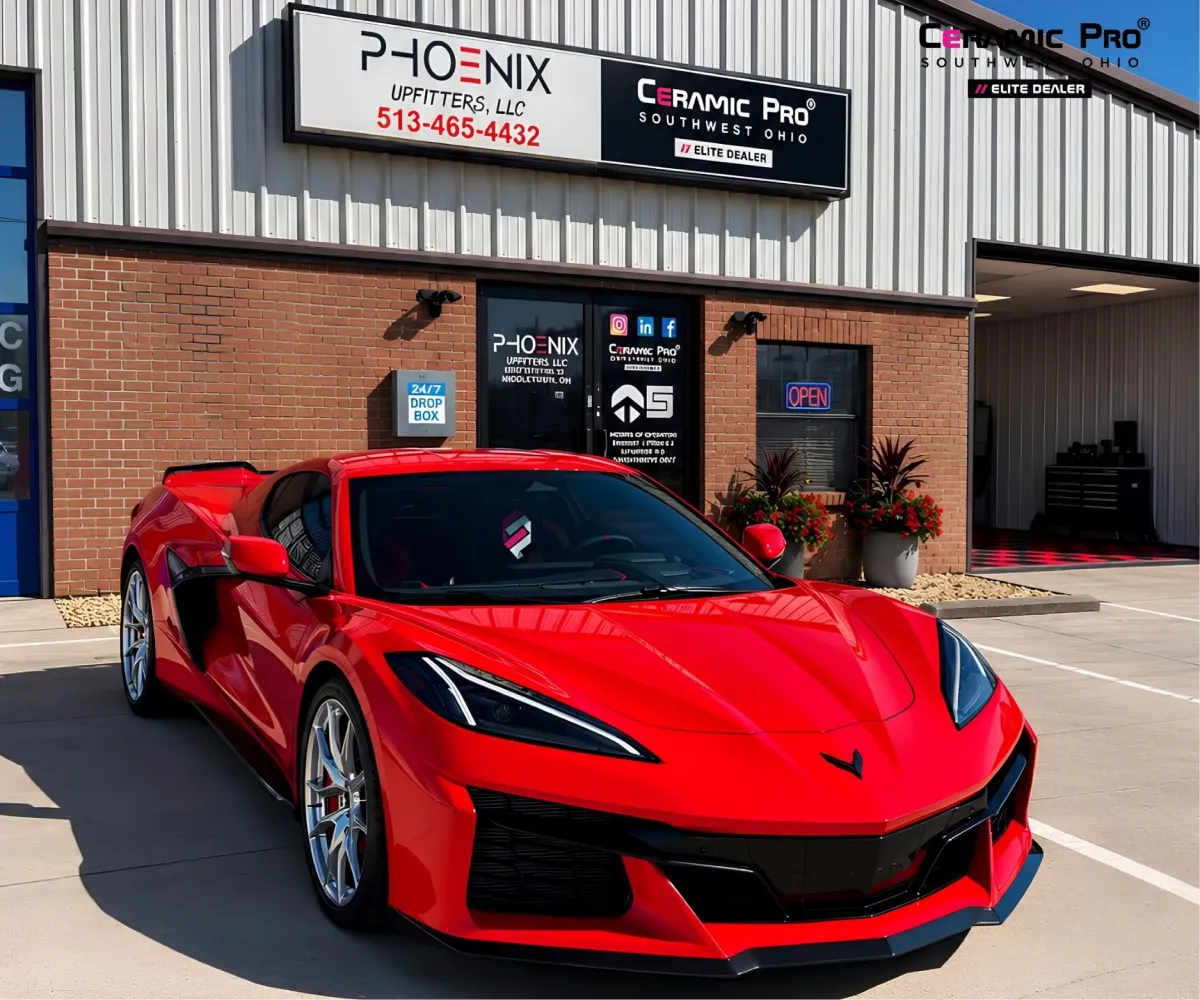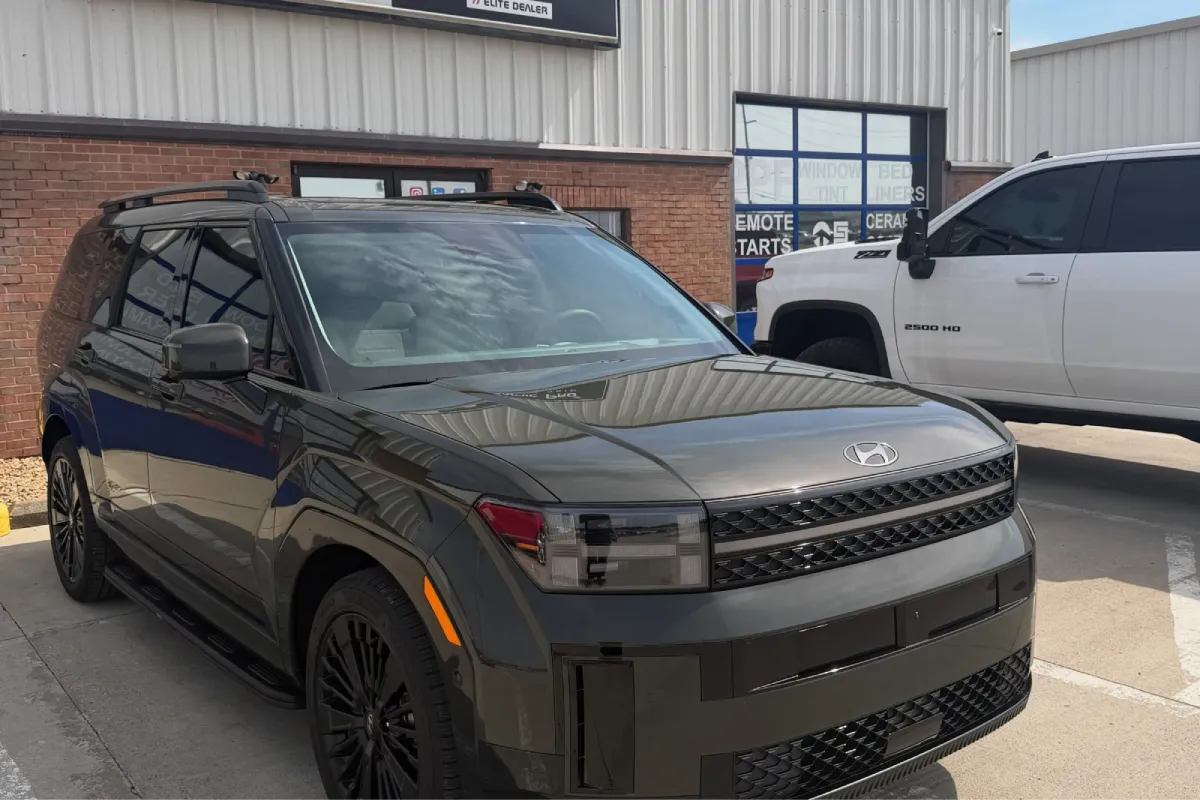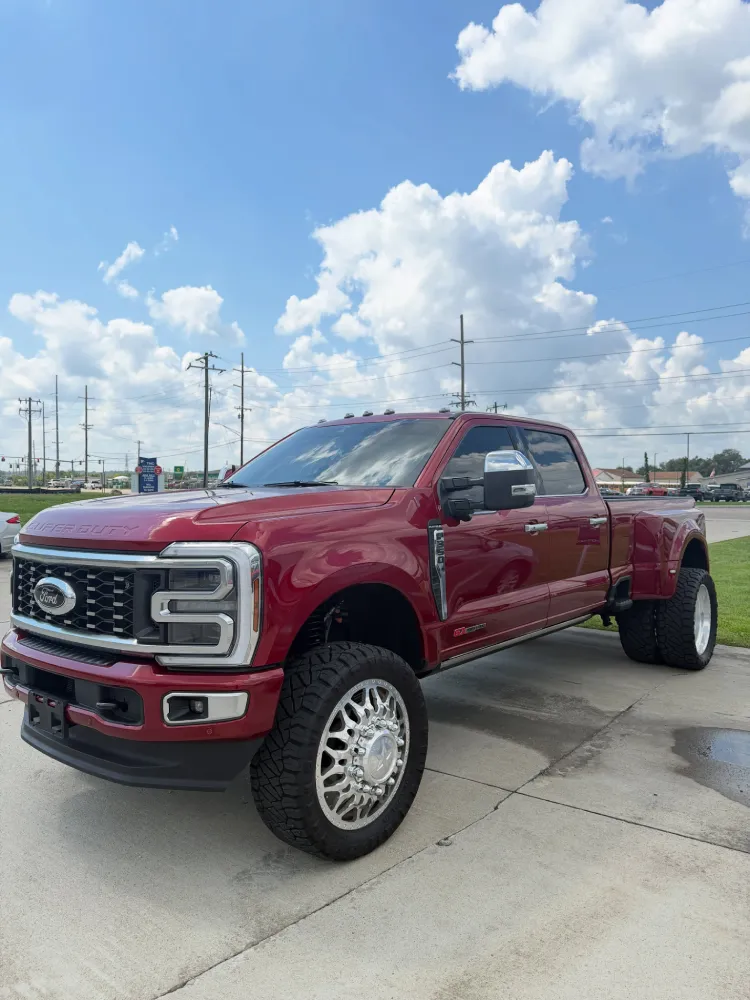

Car detailing can restore a vehicle’s original shine by removing oxidation, swirl marks, bonded contamination, and surface haze that block light reflection. When the clear coat is structurally intact, polishing and decontamination can recover gloss, depth, and reflectivity that closely resemble the factory finish. If the clear coat has failed, detailing can still improve appearance, but it cannot fully restore the original paint integrity.
What “Original Shine” Actually Means
Original shine refers to how cleanly light reflects off a smooth, defect-free clear coat surface. Over time, microscopic imperfections scatter light, creating dullness even when the paint color remains unchanged.
Restoration is therefore about:
- Removing surface contamination layers
- Reducing optical distortion from micro-defects
- Increasing the reflectivity of the clear coat
This is why two cars with identical paint color can look dramatically different in brightness and depth.
Surface Condition and Restoration Limits
| Condition Type | Restoration Potential | Explanation |
| Swirl marks | High | Corrected through polishing |
| Oxidation | High | Removed via controlled abrasion |
| Water spotting | Medium to high | Depends on etching depth |
| Deep scratches | Partial | Cannot fully level the clear coat |
| Clear coat failure | None | Requires repainting |
The key limiting factor is always paint thickness and structural integrity.
Preparation Determines Final Outcome
Before any correction begins, the surface must be fully decontaminated. Without this, polishing tools drag embedded particles across the paint, creating new defects.
A proper preparation sequence includes:
- Foam pre-wash to loosen debris
- Chemical decontamination for iron fallout
- Clay treatment to remove bonded contaminants
This step defines how evenly the paint responds during correction.
Restoration Workflow in Real Conditions
A structured detailing process follows a predictable sequence designed to safely rebuild optical clarity:
- Paint inspection under controlled lighting
- Pre-wash and safe hand cleaning
- Chemical and mechanical decontamination
- Machine polishing (cut stage)
- Refinement polishing (gloss stage)
- Protective coating or sealant application
Each stage contributes incrementally to restoring shine rather than relying on a single treatment.
Environmental Influence on Paint Degradation
Vehicle appearance is heavily influenced by environmental exposure. UV radiation, airborne contaminants, and road film gradually degrade the clarity of the clear coat.
In Downtown Middletown, vehicles typically show accelerated oxidation due to consistent sun exposure and urban airborne particles. Meanwhile, South Middletown vehicles often retain slightly better paint clarity due to more controlled parking environments. In the East End, mixed driving patterns create inconsistent surface wear that requires varied correction approaches.
Paint Correction vs Cosmetic Enhancement
Not all detailing processes deliver the same result. Some services focus solely on appearance, while others actually restore surface clarity.
| Service Type | Function | Result |
| Basic wash | Cleaning only | No correction |
| Enhancement polish | Light gloss improvement | Minimal defect removal |
| Full correction | Defect removal | Significant shine restoration |
| Multi-stage correction | Deep refinement | Near-factory finish |
Understanding this distinction is essential when evaluating expected results.
The scope of car detailing in Middletown depends on paint condition, contamination level, and the level of restoration required.
Applying Our Ceramic Code Framework to Solve This
The Ceramic Code Framework is a structured diagnostic system that determines how much original shine can be safely restored before correction begins. It prevents unnecessary paint removal while maximizing optical clarity.
Layer 1: Contamination Index
Measures embedded particles such as iron deposits, tar, and industrial fallout that reduce reflectivity.
Layer 2: Defect Mapping System
Identifies swirl marks, scratches, and micro-marring density across panels under controlled lighting.
Layer 3: Reflective Recovery Score
Predicts the maximum achievable gloss level after correction and finishing stages.
This framework ensures correction is precise, not excessive.
Middletown, OH, car detailing services often require adaptive correction strategies because varying exposure conditions affect paint surfaces differently across vehicles.
What Actually Causes Loss of Shine
Shine degradation occurs gradually due to multiple overlapping factors:
- UV exposure breaks down the clear coat structure
- Improper washing techniques introduce micro-scratches
- Industrial fallout bonding to paint
- Road salt and moisture accelerate oxidation
These effects compound over time, making paint appear permanently dull when it is often restorable.
Middletown car detailing typically ranges from maintenance-level cleaning to advanced multi-stage correction, depending on the vehicle’s condition.
Misconception: Wax Restores Paint
One of the most common misconceptions is that wax restores shine. It does not.
Wax temporarily improves appearance by filling microscopic imperfections and increasing surface reflectivity, but it does not remove defects.
Wax limitations:
- Does not remove swirl marks
- Does not correct oxidation
- Does not rebuild the clear coat structure
True restoration requires controlled abrasion followed by refinement polishing.

Key Technical Specifications in Restoration
Several technical factors determine the effectiveness and safety of a paint restoration process:
- Cut Level Intensity refers to the aggressiveness with which defects are removed from the clear coat. Higher cut levels remove deeper imperfections but require careful control.
- Pad and Polish Combination influences the final clarity and gloss. The right pairing ensures a uniform, refined finish without haze.
- Clear Coat Safety Margin ensures that enough paint thickness remains after correction to avoid long-term damage or premature failure.
- Defect Density Score measures how concentrated swirls, scratches, and imperfections are across each panel, helping guide the correction approach.
- Hydrophobic Protection Level indicates how well the surface resists water, dirt, and contaminants after sealing or coating.
Together, these parameters determine how closely a vehicle’s finish can be restored to a factory-level shine.
Common Misunderstanding: Detailing Is Only Cosmetic
Many assume detailing is purely aesthetic. In reality, it is a controlled surface restoration process that preserves paint longevity.
Another common misconception is that all detailing results are identical. In reality, outcomes vary significantly based on paint condition, technician skill, and the correction strategy used. This is especially evident when comparing services like car detailing in Middletown, OH, where differences in process and expertise can lead to noticeably different results.
In Summary
Car detailing can restore a vehicle’s original shine when the paint still has structural integrity. Through decontamination, correction, and protection, professionals can bring back clarity, depth, and reflectivity that closely resemble the factory finish. Providers like Ceramic Pro Southwest OH apply these processes with a structured approach to achieve consistent, high-quality results.
For precision-grade restoration and structured correction systems, contact us today to schedule a professional assessment and restore your vehicle’s finish with controlled, high-accuracy detailing processes.
People Also Ask
Can detailing completely bring back the factory shine?
Yes, if the clear coat is intact. Polishing removes defects that block light reflection and restores gloss depth.
How long does restored shine last?
Without protection, results fade quickly. With coatings or sealants, results can last significantly longer.
Does detailing remove deep scratches?
No. Deep scratches that penetrate the clear coat cannot be fully corrected.
Is detailing better than waxing?
Yes. Wax only masks imperfections temporarily; detailing actually restores surface clarity.