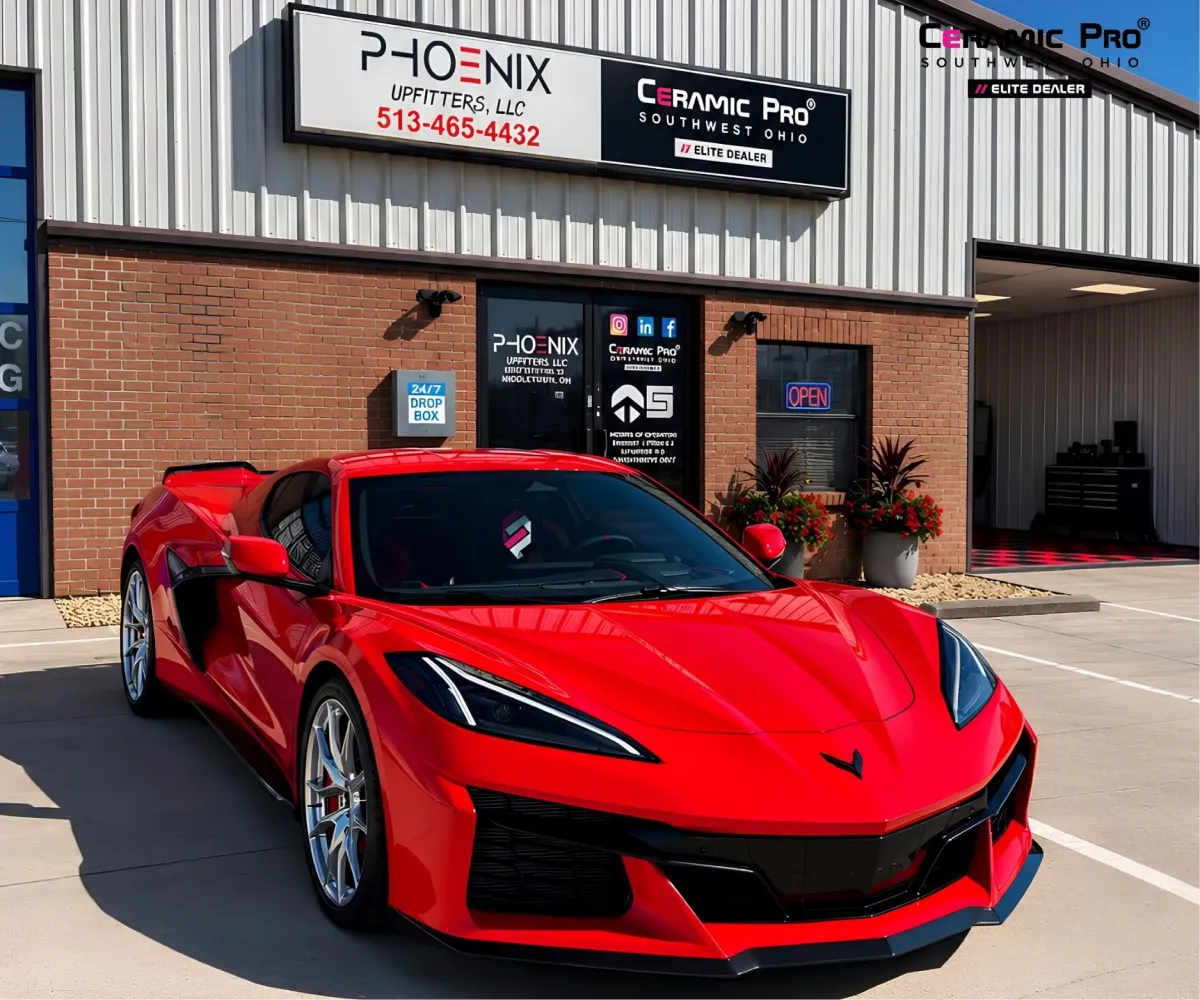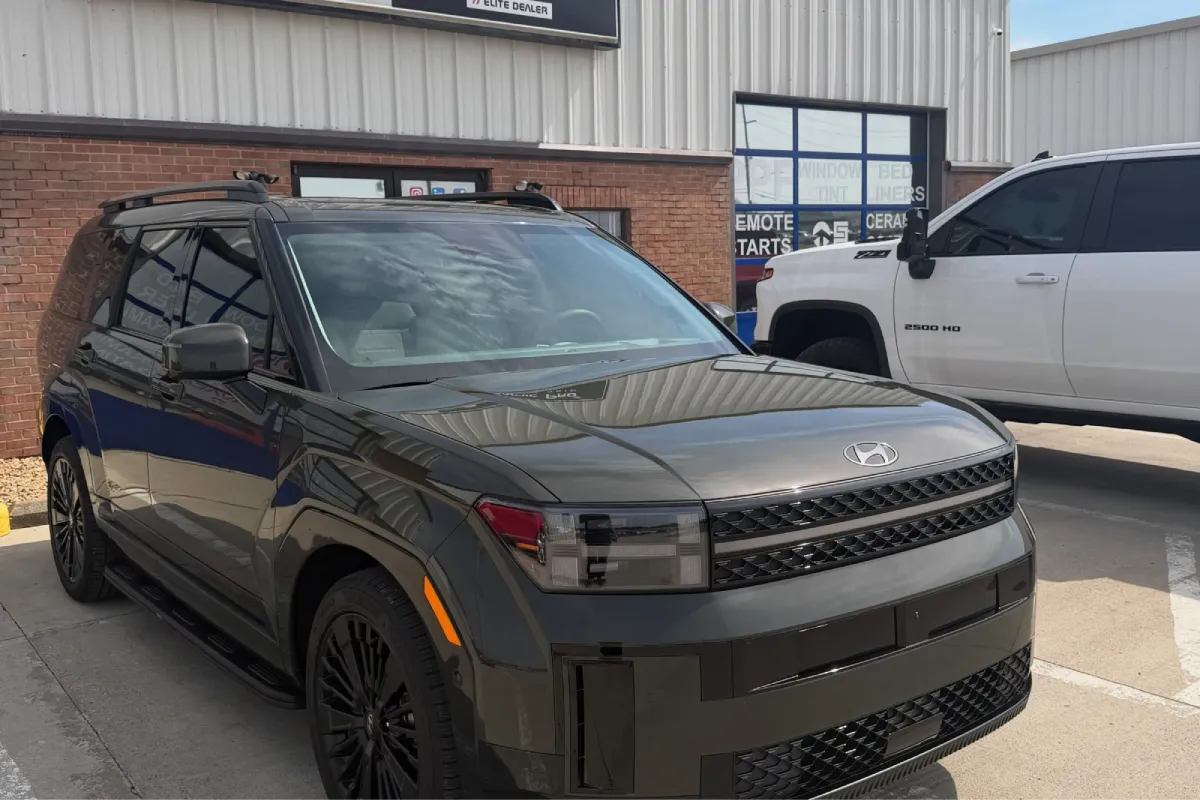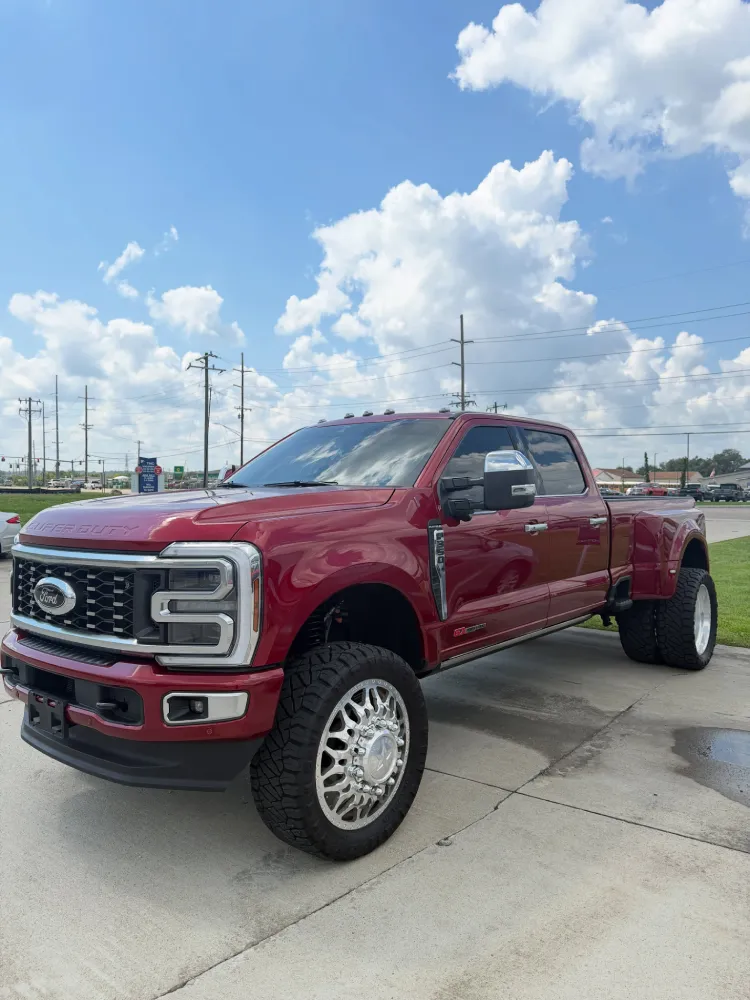

Keeping a vehicle in excellent condition over time is more difficult than most owners expect. Even careful drivers eventually deal with rock chips, surface scratches, fading, and environmental wear. These issues don’t always happen dramatically; they build gradually until the paint no longer looks new.
Paint Protection Film has become one of the most effective solutions for preserving automotive paint in modern driving conditions. While it has existed for years in various forms, advances in materials and installation techniques have made it far more durable, clearer, and more widely used than ever before.
This guide explains what PPF is, how it works, when it makes sense to use it, and what most vehicle owners should realistically expect from it.
Understanding Paint Protection Film
Paint Protection Film is a transparent, flexible polyurethane material applied directly to a vehicle’s exterior surfaces. Its primary function is simple: absorb physical impact before it reaches the paint underneath.
Modern PPF is engineered with multiple layers:
- A clear top coat that resists scratches and enables self-healing
- A flexible polyurethane base layer that absorbs impact
- An adhesive layer designed for long-term bonding without damaging paint
One of the most notable improvements in recent years is self-healing capability, where minor swirl marks or light scratches fade when exposed to heat (such as sunlight or warm water).
Unlike waxes or sealants, which sit on top of paint temporarily, PPF is a physical barrier that remains in place for years.
What PPF Actually Protects Against
A common misconception is that PPF is only useful for luxury or show cars. In reality, it primarily protects against everyday driving conditions that affect nearly all vehicles.
1. Road Debris and Rock Chips
Highway driving exposes vehicles to small stones and debris kicked up by other vehicles. These impacts are one of the most common causes of permanent paint damage.
2. Surface Scratches
Shopping carts, accidental contact, and improper washing techniques can create swirl marks or scratches that accumulate over time.
3. Environmental Contaminants
Bird droppings, tree sap, bug residue, and industrial fallout can etch into the clear coat if not removed quickly.
4. UV Exposure
Long-term exposure to sunlight gradually fades paint and reduces gloss, especially in darker colors.
While PPF does not make a vehicle indestructible, it significantly reduces the frequency and severity of these common issues.
Why Timing Matters More Than Most Owners Realize
One of the most important factors in PPF effectiveness is when it is installed.
The best time is when the vehicle is still in near-perfect condition. Once paint damage begins, protection becomes reactive rather than preventative.
New Paint Advantage
Factory paint is smooth, glossy, and free of imperfections. Installing protection early ensures that the condition is preserved rather than restored.
Avoiding Compound Repairs
Once chips or scratches occur, correction often requires polishing or repainting, which can be costly and may never fully match the factory finish.
Long-Term Value Retention
Vehicles with well-preserved paint tend to maintain higher resale or trade-in value, especially in competitive used car markets.
Installation Quality Matters More Than the Film Itself
Even the highest-quality film will underperform if installed poorly. This is one of the most overlooked aspects of paint protection.
A proper installation requires:
- Full surface decontamination
- Paint correction before application (if needed)
- Precision cutting or pre-cut templates
- Careful edge wrapping
- Air bubble removal and curing time
Poor installation can result in lifting edges, visible seams, or trapped debris under the film.
This is why professional installation is strongly recommended rather than DIY approaches.
Local Installation Considerations
In many regions, vehicle owners search for reputable installers based on location and reputation rather than brand alone.
For example, drivers comparing regional providers, such as paint protection film in Middletown, OH, are often focused on finding certified installers who understand the climate and road exposure specific to their area. Local driving environments, like seasonal road salt, highway density, or construction zones, can significantly influence how protection is applied.
PPF vs Ceramic Coating: Understanding the Difference
One of the most common points of confusion is how PPF compares to ceramic coating.
Paint Protection Film
- Physical barrier
- Protects against impact damage
- Reduces scratches and chips
- Thicker and more durable layer
Ceramic Coating
- Chemical protection layer
- Enhances gloss and hydrophobic properties
- Makes cleaning easier
- Does not protect against rock chips
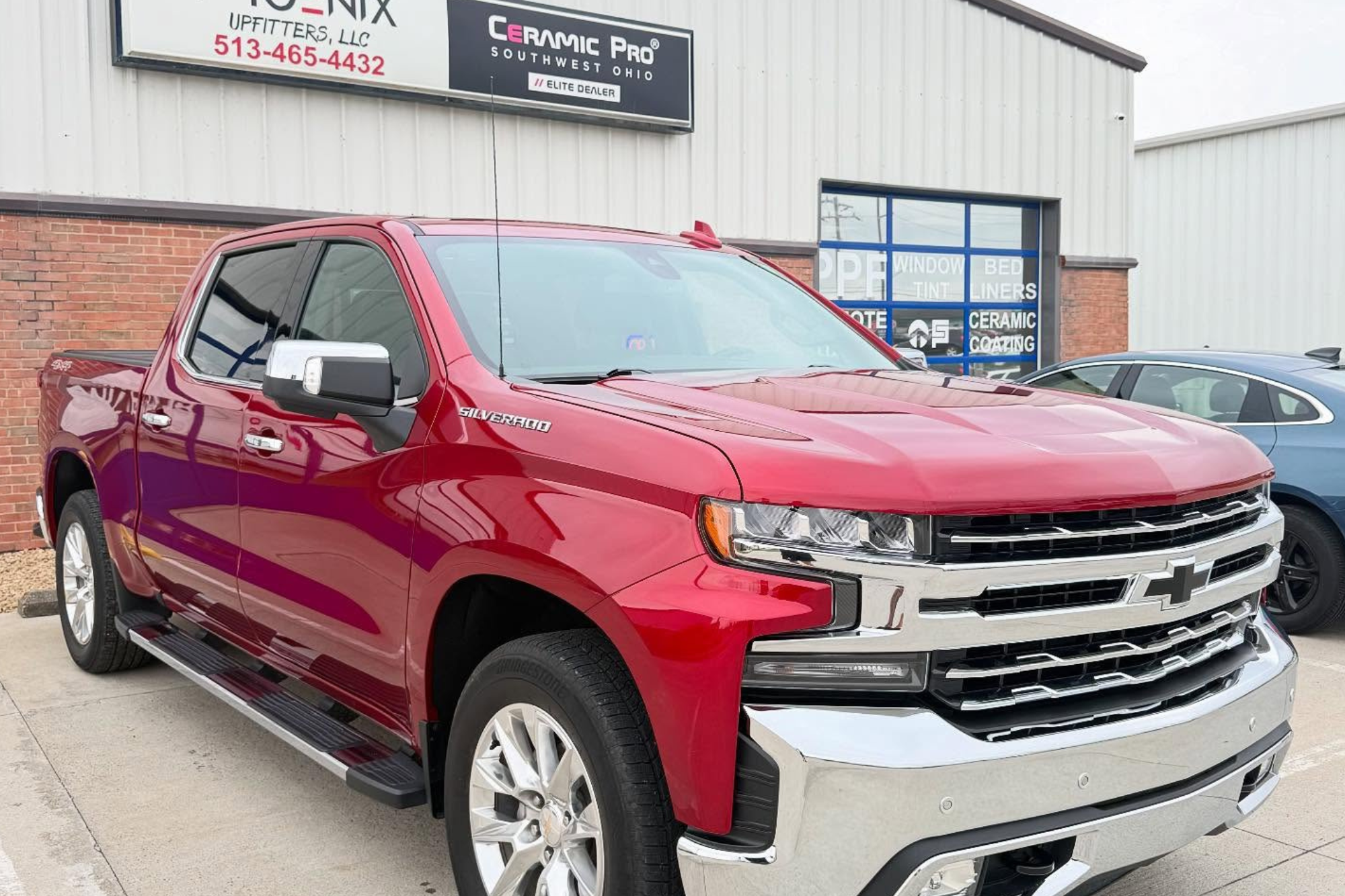
They are not competing products; they serve different functions. Many vehicle owners choose to combine them for layered protection: PPF for impact zones and ceramic coating for enhanced surface maintenance.
Common Misunderstandings About PPF
Despite its benefits, there are several misconceptions worth clarifying:
“It makes paint completely scratch-proof.”
Not true. It resists light damage but cannot prevent all impact.
“It lasts forever.”
PPF typically lasts several years, but it is not permanent and may require replacement depending on wear.
“It looks obvious on the car”
High-quality modern films are nearly invisible when properly installed.
“It replaces maintenance.”
Vehicles with PPF still require washing and care to maintain appearance.
Understanding these limitations helps set realistic expectations.
Is Paint Protection Film Worth It?
Whether PPF is worth it depends on how a vehicle is used.
It is especially valuable for:
- New vehicles where preserving condition is a priority
- Highway commuters are exposed to frequent debris
- Owners planning long-term use
- High-value or luxury vehicles
- Drivers in harsh seasonal climates
In areas where road conditions vary significantly throughout the year, such as those served by paint protection film in Middletown, demand is often driven by practical concerns like winter road salt, construction debris, and long commuting distances.
For many owners, the decision is less about luxury and more about avoiding costly paint repair over time.
Maintenance After Installation
PPF reduces maintenance effort but does not eliminate it. Proper care ensures longevity.
Recommended practices include:
- Regular gentle washing
- Avoiding abrasive brushes
- Using pH-neutral car shampoos
- Prompt removal of bird droppings or contaminants
- Avoiding harsh chemical cleaners
With proper maintenance, high-quality film can remain clear and effective for many years.
Signs of Quality Installation
A properly installed PPF system should be:
- Nearly invisible at normal viewing distance
- Free of visible bubbles or trapped debris
- Smooth along edges and curves
- Even in gloss and texture across panels
If these conditions are not met, installation quality may be compromised.
In Summary
Paint Protection Film has become one of the most practical long-term solutions for preserving automotive paint in real-world driving conditions. While it requires an upfront investment, it offers ongoing protection against some of the most common and costly types of paint damage.
The key takeaway is simple: the earlier it is installed, the more effective it is over the life of the vehicle.
Ready to Protect Your Vehicle?
If you’re considering paint protection options, working with a qualified installer like Ceramic Pro Southwest OH can help you determine the right coverage for your driving habits, vehicle type, and long-term goals.
For drivers exploring trusted regional options like Middletown paint protection film, professional consultation is often the best first step in deciding whether full or partial coverage is the right choice.
A properly installed system can help keep your vehicle looking newer for longer, while reducing the long-term cost of paint correction and repair. Contact us today for more details.
FAQ:
What is paint protection film used for?
Paint protection film is used to shield a vehicle’s paint from rock chips, scratches, UV exposure, and everyday road contaminants.
How long does paint protection film last?
High-quality paint protection film typically lasts between 5 and 10 years, depending on care, driving conditions, and installation quality.
Does paint protection film affect how the car looks?
When properly installed, it is nearly invisible and preserves the original gloss and appearance of the paint.
Can paint protection film be removed?
Yes, it can be safely removed by a professional without damaging the factory paint underneath.
Is paint protection film better than ceramic coating?
They serve different purposes: paint protection film provides physical impact protection, while ceramic coating improves shine and makes cleaning easier.