For drivers in Middletown, OH, window tinting is a popular upgrade thanks to its many practical and aesthetic advantages. Added film can improve privacy, block harmful ultraviolet rays, reduce interior heat, and enhance overall driving comfort. Despite these benefits, many motorists hesitate because they are unsure how tint may affect visibility, particularly at night or in rainy or overcast conditions. These concerns are valid, as clear visibility is a critical factor in road safety.
This in-depth guide explains how tint affects visibility in low-light and wet-weather conditions, outlines Ohio’s legal requirements, and provides practical recommendations to help drivers make informed decisions without sacrificing safety or performance.
Key Takeaways
- Darker glass treatments can reduce visibility at night, making shade selection especially important for frequent evening drivers.
- Rainy, overcast weather can amplify visibility challenges, though proper maintenance and advanced film technology can mitigate many issues.
- Ohio law establishes minimum light-transmission standards to ensure driver and public safety.
- Professional installation helps ensure legal compliance, consistent application, and long-term clarity.
- Expert services offer the most reliable way to balance appearance, protection, and safe driving conditions.
How Window Tinting Works
Window tinting involves applying a thin, multi-layer film directly to automotive glass. This film is engineered to filter incoming light, reduce glare, and block a significant percentage of ultraviolet and infrared radiation. Tint films are available in various shades and technologies, ranging from dyed and metalized options to advanced ceramic-based products designed for high clarity.
Beyond appearance, this process plays a functional role in temperature regulation. By limiting solar heat gain, treated glass helps maintain a cooler interior during summer months and reduces strain on air-conditioning systems. Over time, this can improve fuel efficiency and reduce wear on climate-control components. For Middletown drivers who experience hot summers and cold winters, this added insulation can improve comfort year-round.
Visibility at Night
Impact of Dark Tints on Night Driving
Window tinting in Middletown, OH, can influence how well you see after sunset, particularly if the shade is too dark for your driving habits. At night, the human eye relies heavily on ambient light from street lamps, headlights, and reflective road markings. Reduced light transmission can make it harder to identify pedestrians, cyclists, animals, or roadway hazards until you are closer than ideal.
This issue becomes more pronounced in suburban or rural areas where street lighting may be limited. While daytime visibility is rarely affected, nighttime conditions demand a careful balance between privacy and clarity. Ohio addresses this concern through regulation, requiring front-side glass to allow at least 50 percent of visible light to pass through, while rear areas have more flexibility. These limits are designed to preserve driver visibility while still allowing customization.
Tips for Safe Night Driving
To reduce nighttime visibility concerns:
- Select lighter shades: These allow more ambient light into the cabin while still reducing glare and UV exposure.
- Invest in premium film: High-quality materials are engineered to maintain optical clarity, minimizing distortion and haze that can worsen low-light conditions.
- Ensure clean glass: Dirt, streaks, and residue can compound visibility problems at night, regardless of film shade.
Visibility in Rainy Weather
Performance in Wet Conditions
Window tinting can also affect how clearly you see during rain, snow, or fog. Moisture on glass refracts light, which can distort vision, especially when combined with oncoming headlights and reflective road surfaces. Darker films may intensify this effect by limiting the amount of light entering the vehicle.
In Middletown, the weather can shift quickly from clear to rainy, particularly during spring and fall. Factory-treated glass is generally lighter and designed to meet federal standards, while some aftermarket options may reduce clarity if poorly selected or improperly installed. This makes film quality and application method especially important for drivers who regularly face wet conditions.
Improving Visibility in the Rain
Drivers can take several steps to improve wet-weather clarity:
- Maintain wiper blades and fluid: Clear, streak-free windshields significantly improve sightlines.
- Use advanced coatings: Some modern films include hydrophobic properties that help water bead and slide off the glass.
- Keep exterior glass clean: Road grime and residue worsen glare and distortion during rain.
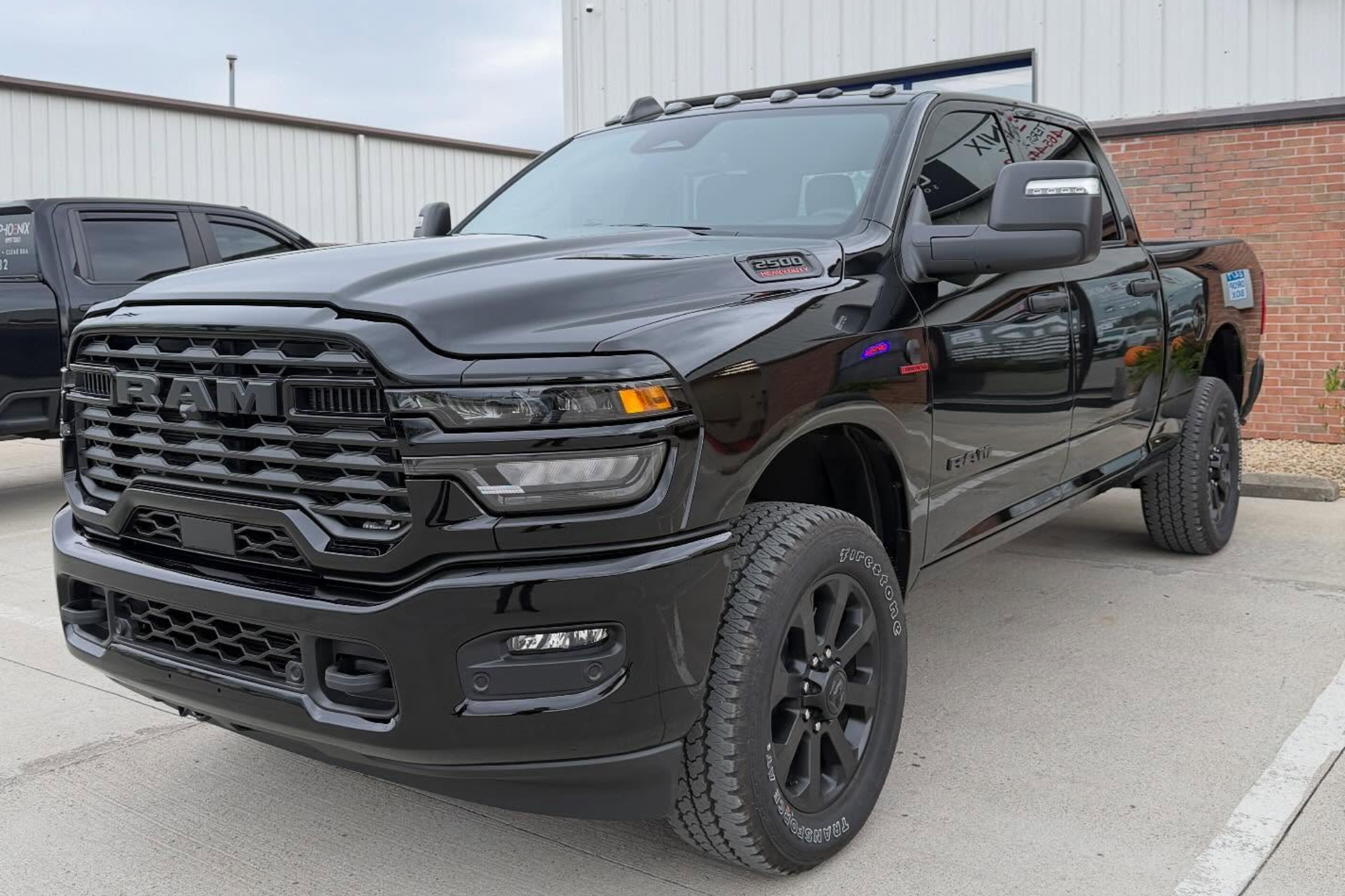
Is Tinted Window Safety a Concern?
Window tinting should always be approached with safety as the primary consideration. Excessively dark film can limit visibility of traffic signals, lane markings, and vulnerable road users. In emergency situations, it may also hinder first responders’ ability to quickly see inside a vehicle.
Safety concerns are not limited to the driver alone. Reduced visibility can affect reaction time, increase stopping distance, and elevate the risk of collisions, particularly in poor weather or high-traffic conditions. By choosing an appropriate shade and adhering to Ohio’s legal standards, drivers can minimize these risks while still enjoying the benefits of added film.
Ohio Tint Laws and Compliance
Middletown, OH, window tinting regulations are designed to balance customization with public safety. State law requires front-side glass to transmit at least 50 percent of visible light. Rear-side and back glass may be darker, provided the vehicle has compliant side mirrors.
Failure to comply can result in citations, failed vehicle inspections, or the requirement to remove and replace non-compliant film. Professional installers are familiar with these regulations and can recommend suitable options based on your vehicle type and driving habits, helping you avoid unnecessary legal issues.
Benefits of Professional Window Tinting Services
Choosing professional window tinting Middletown services offers advantages beyond appearance alone. Experienced technicians ensure precise application, eliminating bubbles, peeling, and uneven edges that can distort vision. They also use high-performance films tested for durability, clarity, and heat rejection.
Professional services provide peace of mind by confirming legal compliance and offering warranties that protect your investment. This level of quality control is difficult to achieve with do-it-yourself kits, which often result in reduced longevity and compromised visibility.
Long-Term Driving Comfort and Performance
Window tinting contributes to long-term comfort by reducing glare, eye strain, and interior heat buildup. Over-extended drives, this can reduce fatigue and improve overall driver focus. Interior materials, such as dashboards, leather, and upholstery, are also better protected against fading and cracking, preserving vehicle value.
For drivers who commute daily or spend significant time on the road, these benefits add up over time, making professional installation a practical investment rather than a cosmetic upgrade alone.
In Summary
Window tinting can affect visibility at night and during rainy weather, but thoughtful film selection and professional installation greatly reduce potential drawbacks. For Middletown, OH drivers, understanding how tint interacts with lighting and weather conditions is essential to making a safe, compliant choice.
Ceramic Pro Southwest OH provides expert installation with premium materials that deliver privacy, UV protection, and clear visibility in all conditions. Contact us today for a free consultation and discover a solution that enhances both safety and style.
Frequently Asked Questions
- Does tint make it harder to see at night?
Darker shades can reduce nighttime visibility, but lighter options and advanced films are designed to preserve clarity. - Can you drive safely in the rain with added film?
Yes. Proper maintenance and hydrophobic technologies help maintain visibility during wet conditions. - How do I know if my tint is too dark?
Ohio law requires front-side glass to transmit at least 50 percent of light. Professional installers can verify compliance. - Are there Ohio laws governing tint?
Yes. State regulations specify minimum light-transmission levels to support roadway safety.