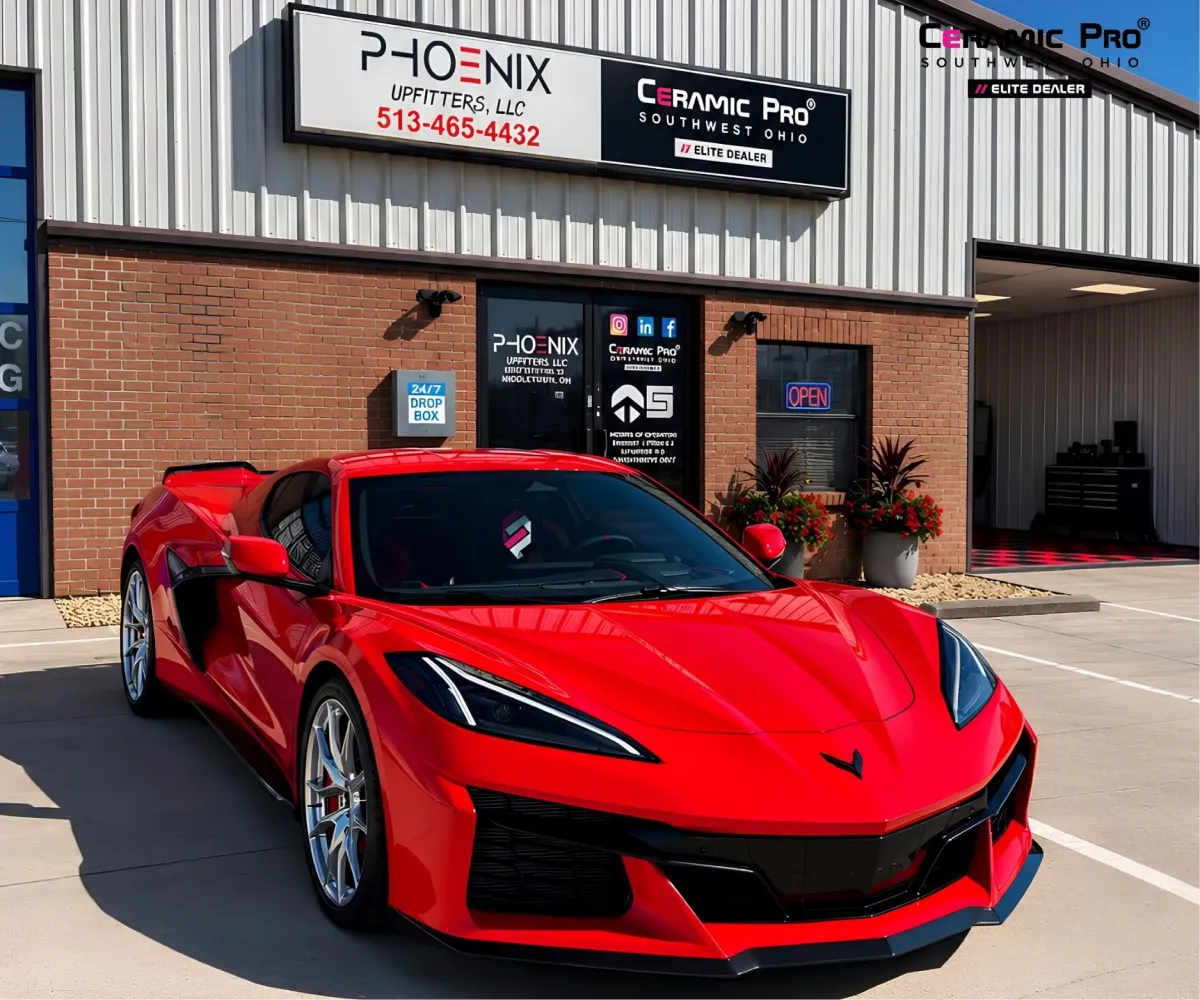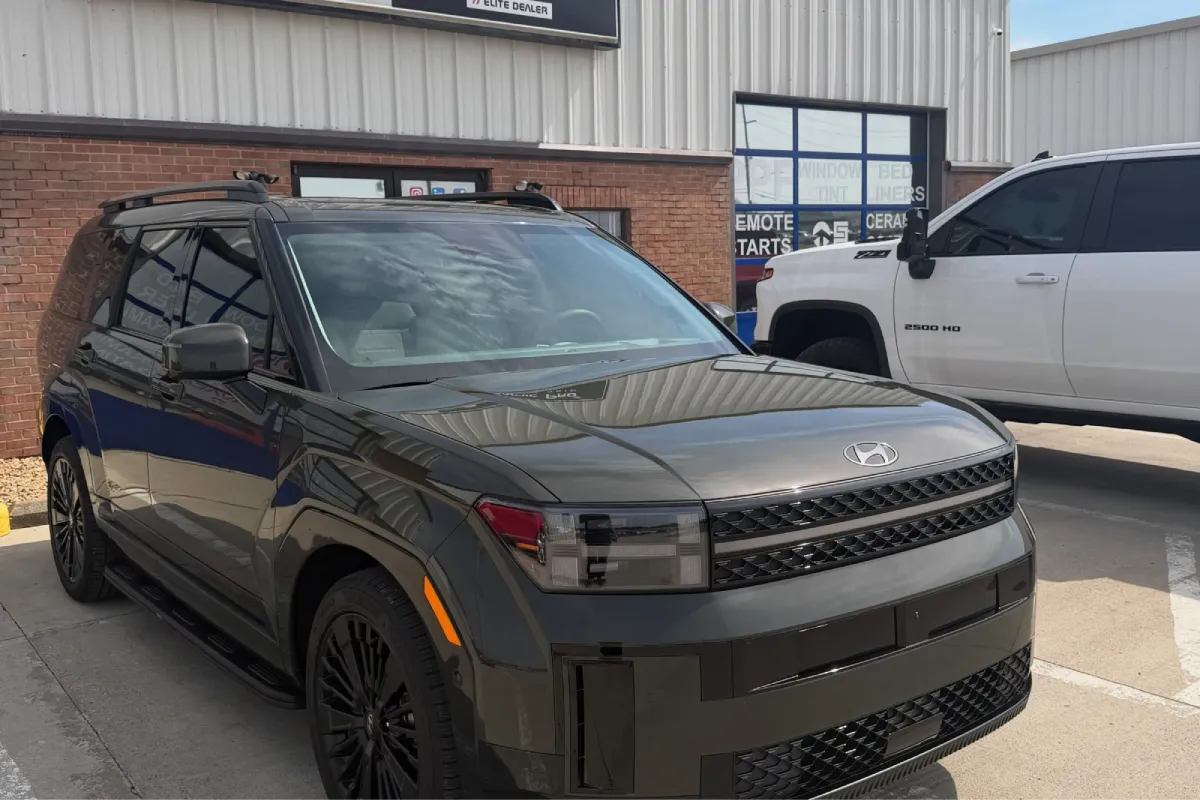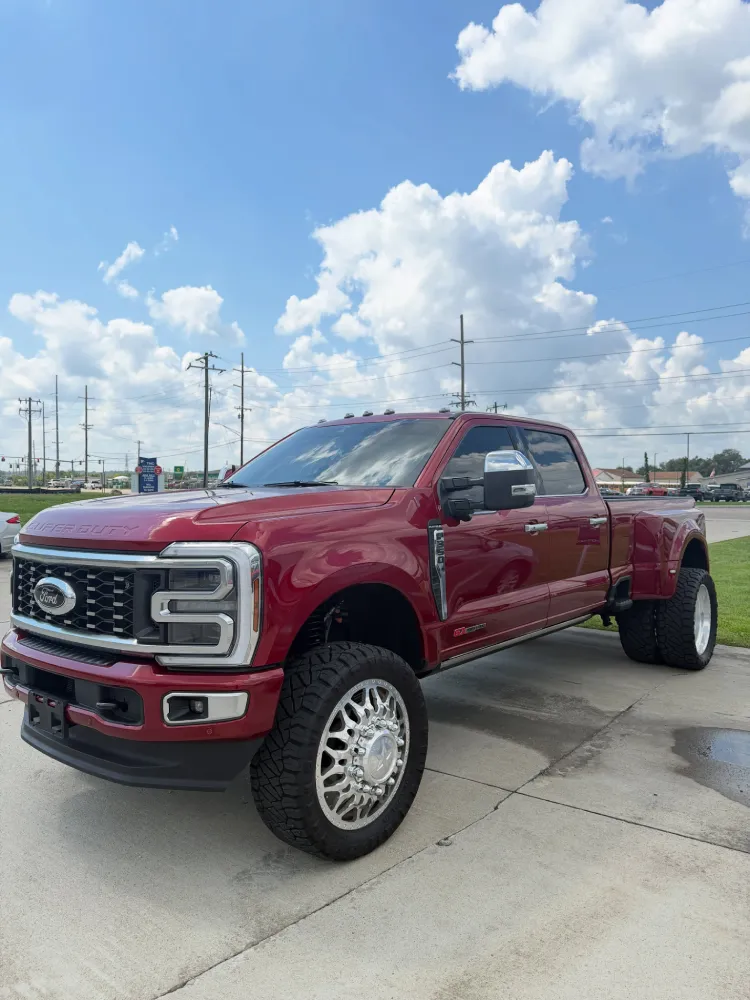

During peak daylight hours, especially on open stretches of road around Downtown Middletown and Monroe, sunlight can hit windshields at sharp angles, significantly reducing visibility. This creates temporary blindness, increases driver fatigue, and raises the likelihood of missed hazards.
One of the most effective long-term solutions for managing this issue is professional vehicle window film installation. Drivers researching window tinting in Middletown, OH often discover that modern tint technologies provide a combination of glare reduction, heat control, and UV protection that directly improves daily driving comfort and safety.
This article breaks down how tinting works, why it matters specifically for Middletown drivers, and what to consider before choosing a film.
Why glare becomes such a serious issue in Middletown
Glare is not just “bright sunlight.” It is a visual interference problem caused when intense light overwhelms the eye’s ability to adjust quickly.
In Middletown, glare tends to worsen due to:
- Long, straight road segments where sun exposure is constant
- Low sun angles during morning and late afternoon commutes
- Reflections from vehicles, buildings, and road surfaces
- Seasonal shifts that intensify sunlight during the summer months
For many commuters, especially those driving through busy corridors or open suburban roads, glare becomes a recurring hazard rather than an occasional annoyance.
This is where solutions like window tinting in Middletown come into practical use, not as a cosmetic upgrade, but as a functional driving aid.
How window tinting actually works
Window tinting is a multi-layer film applied to automotive glass. While it appears simple, it is engineered to manage light transmission, heat transfer, and UV radiation.
A standard automotive film generally includes:
1. Scratch-resistant outer layer
Protects the film from everyday wear, cleaning, and minor abrasions.
2. UV and heat rejection layer
Blocks ultraviolet rays and reduces infrared heat entering the cabin.
3. Optical control layer
This is the core functional layer that controls how much visible light passes through.
4. Adhesive layer
Bonds the film securely to the glass surface.
5. Protective liner (removed during installation)
Prevents damage before application.
A key industry measurement is Visible Light Transmission (VLT). Lower VLT values mean less light enters the vehicle, which generally improves glare reduction, but must still comply with legal limits.
For drivers evaluating Middletown, OH window tinting, understanding VLT is critical because it determines both performance and legality.
Glare reduction and driving safety
The most immediate benefit of window film is improved visibility.
When glare is reduced:
- Drivers can see traffic signals more clearly
- Pedestrians become easier to detect
- Road edges and lane markings are more visible
- Eye strain is significantly reduced during long drives
This directly impacts reaction time. Even a one-second delay caused by glare can make a meaningful difference in preventing collisions.
Many Middletown drivers report that after installing Middletown window tinting, driving feels less mentally exhausting, especially during summer commutes when sunlight is at its most intense.
Heat control and cabin comfort benefits
Glare is only part of the problem. Heat buildup inside vehicles is another major concern in Ohio summers.
When a car is parked or driven in direct sunlight:
- Interior temperatures can rise rapidly
- Steering wheels and dashboards become uncomfortably hot
- Air conditioning systems must work harder
- Fuel efficiency may decrease due to increased AC usage
High-quality tint films reduce solar heat gain by blocking infrared radiation. This results in a noticeably cooler cabin environment.
While comfort is the most obvious benefit, there are secondary advantages:
- Reduced air conditioning strain
- Lower long-term interior material wear
- More stable cabin temperature during short stops
These improvements make daily driving more efficient and less physically draining.
UV protection and long-term health considerations
Ultraviolet radiation exposure is not always obvious inside a vehicle, but it is constant. Standard automotive glass does not fully block UVA rays, which are associated with skin aging and long-term damage.
Quality tint films can block up to 99% of UV radiation. This provides:
- Reduced risk of skin damage from long drives
- Less fading and cracking of interior materials
- Better long-term preservation of upholstery and dashboards
Drivers considering window tinting often prioritize this benefit once they understand that UV exposure accumulates over time, even during short daily commutes.
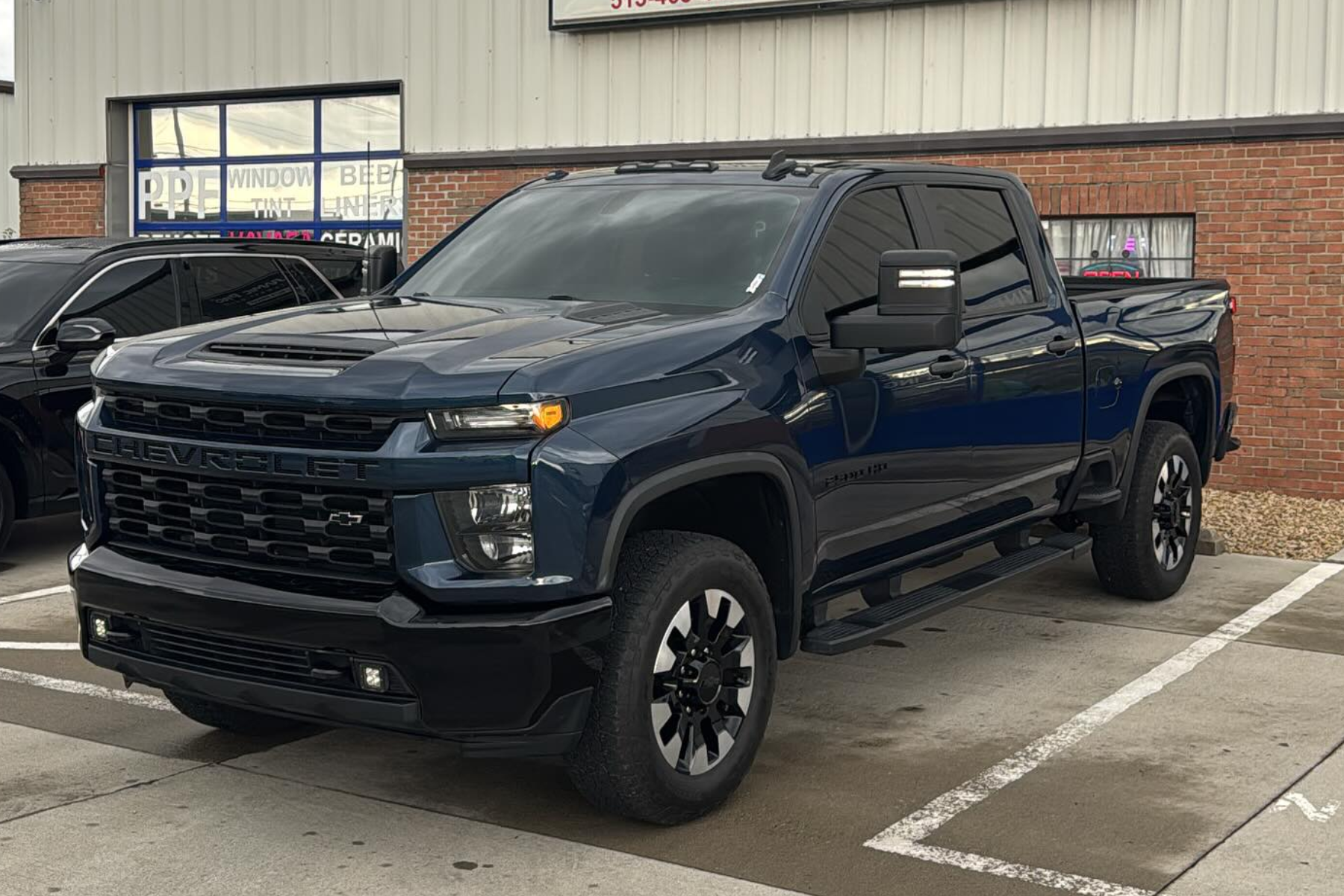
Safety beyond visibility: glass reinforcement
An often overlooked benefit of window film is its structural effect on glass.
In the event of an accident:
- Tint film can help hold shattered glass together
- Reduces the risk of flying shards inside the cabin
- Adds a minor but meaningful layer of passenger protection
While it is not a replacement for airbags or structural safety systems, it does contribute to overall occupant safety.
Legal requirements in Ohio
Window tinting is regulated in Ohio to ensure driver visibility and public safety for law enforcement.
Key regulated areas include:
- Front windshield
- Front side windows
- Rear side windows
- Rear windshield
Each has specific requirements for Visible Light Transmission.
Non-compliance can lead to:
- Traffic citations
- Required tint removal
- Potential inspection issues
This is why professional installation matters. Experienced installers ensure compliance while still maximizing performance benefits. Anyone considering window tinting should always verify that the installer understands current Ohio regulations.
Choosing the right type of window film
Not all tint films perform equally. The right choice depends on budget, performance expectations, and driving conditions.
Dyed film
- Most affordable option
- Basic glare reduction
- Limited heat rejection
- May fade over time
Carbon film
- Better heat rejection than dyed film
- More durable
- Does not fade easily
- Good mid-range option
Ceramic film
- Highest performance tier
- Excellent heat and UV rejection
- Superior clarity and durability
- No signal interference
For hot summers and consistent sunlight exposure, ceramic films are generally considered the most effective long-term solution.
Drivers evaluating window tinting often choose ceramic options for their durability and consistent performance.
Installation quality matters more than most people think
Even high-quality film can perform poorly if installed incorrectly. Common issues with poor installation include:
- Bubbling
- Peeling edges
- Uneven application
- Reduced optical clarity
Professional installation ensures:
- Proper surface preparation
- Clean, bubble-free application
- Accurate trimming for vehicle fit
- Compliance with legal standards
This is especially important for long-term durability and appearance.
Practical driving improvements noticed by local drivers
After installation, many drivers report noticeable changes in everyday driving:
- Reduced eye fatigue on long trips
- Less squinting during sunrise and sunset
- Cooler vehicle interiors during parking exposure
- Improved comfort in stop-and-go traffic
These improvements are not theoretical; they are directly tied to reduced solar load inside the cabin.
This is why window tinting is often considered a functional upgrade rather than just a cosmetic one.
Common misconceptions about window tinting
There are a few misunderstandings worth clarifying:
“Tint makes night driving unsafe.”
Only overly dark or illegal tint affects nighttime visibility. Proper legal tint is designed to balance the needs of day and night driving.
“All tint films perform the same.”
Performance varies significantly between dyed, carbon, and ceramic films.
“Tint is only for looks.”
Modern films are primarily engineered for heat, UV, and glare control rather than aesthetics.
In Summary
Window tinting is a practical driving enhancement that directly addresses glare, heat, UV exposure, and overall driving comfort in Middletown’s summer conditions. When properly selected and professionally installed, it improves both safety and the day-to-day driving experience.
For drivers exploring options like window tinting, the key takeaway is that the real value lies in performance, not appearance. Choosing the right film and ensuring legal compliance are what determine long-term results, and Ceramic Pro Southwest OH helps ensure both quality selection and proper installation. Contact us today to learn more or schedule a consultation.
Frequently Asked Questions:
Is window tinting worth it in Ohio weather?
Yes. Ohio summers produce strong sunlight and heat buildup, making tinting beneficial for comfort and safety.
Does tint really reduce glare while driving?
Yes. Quality films significantly reduce glare by filtering incoming visible light.
How long does professional window tint last?
High-quality films can last 5–10 years or more, depending on the material and installation quality.
Can tint affect visibility at night?
Legal tint levels are designed to avoid impairing nighttime visibility when properly installed.
What type of tint is best for hot summers?
Ceramic tint is generally the best option for heat rejection, UV protection, and long-term durability.