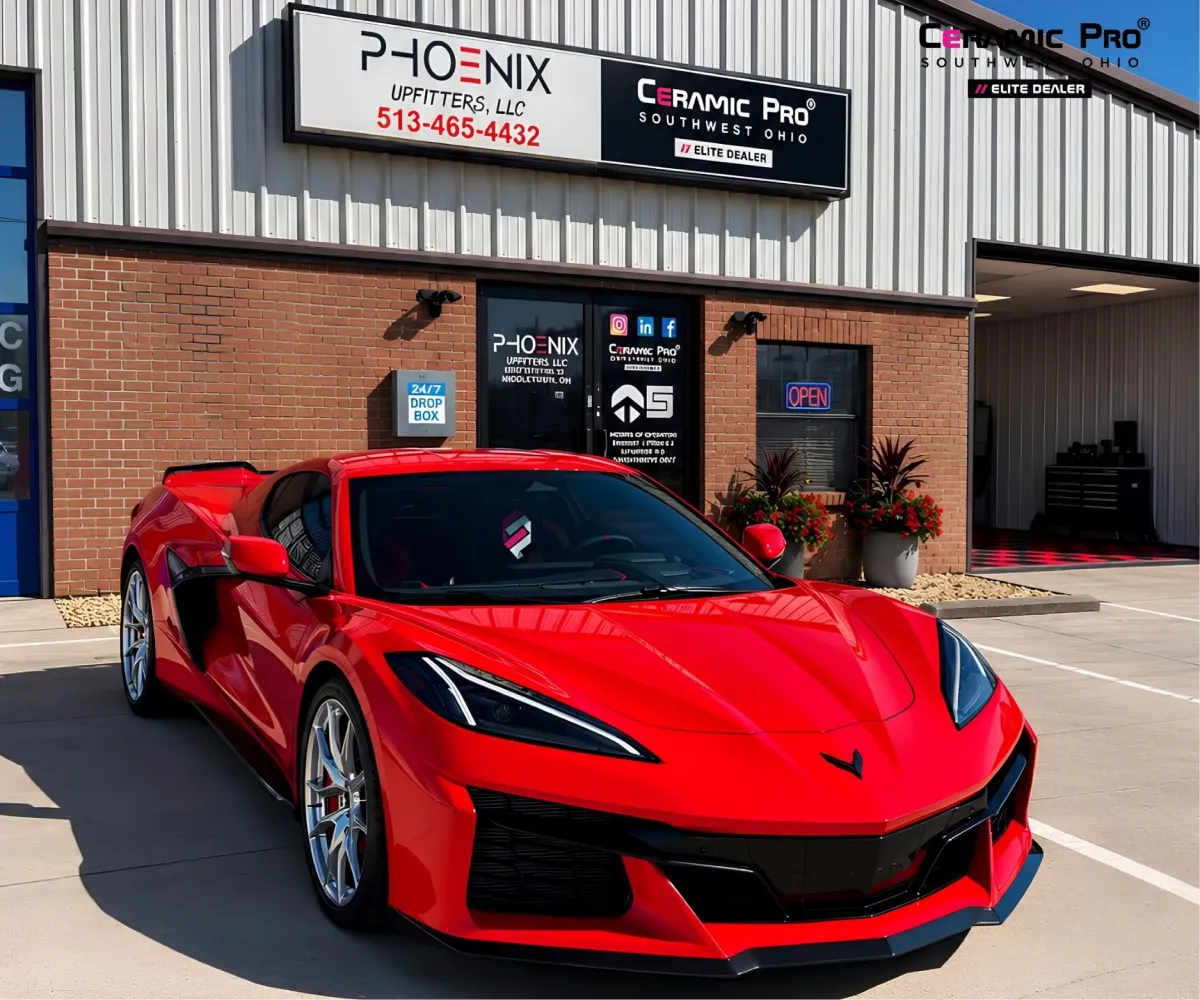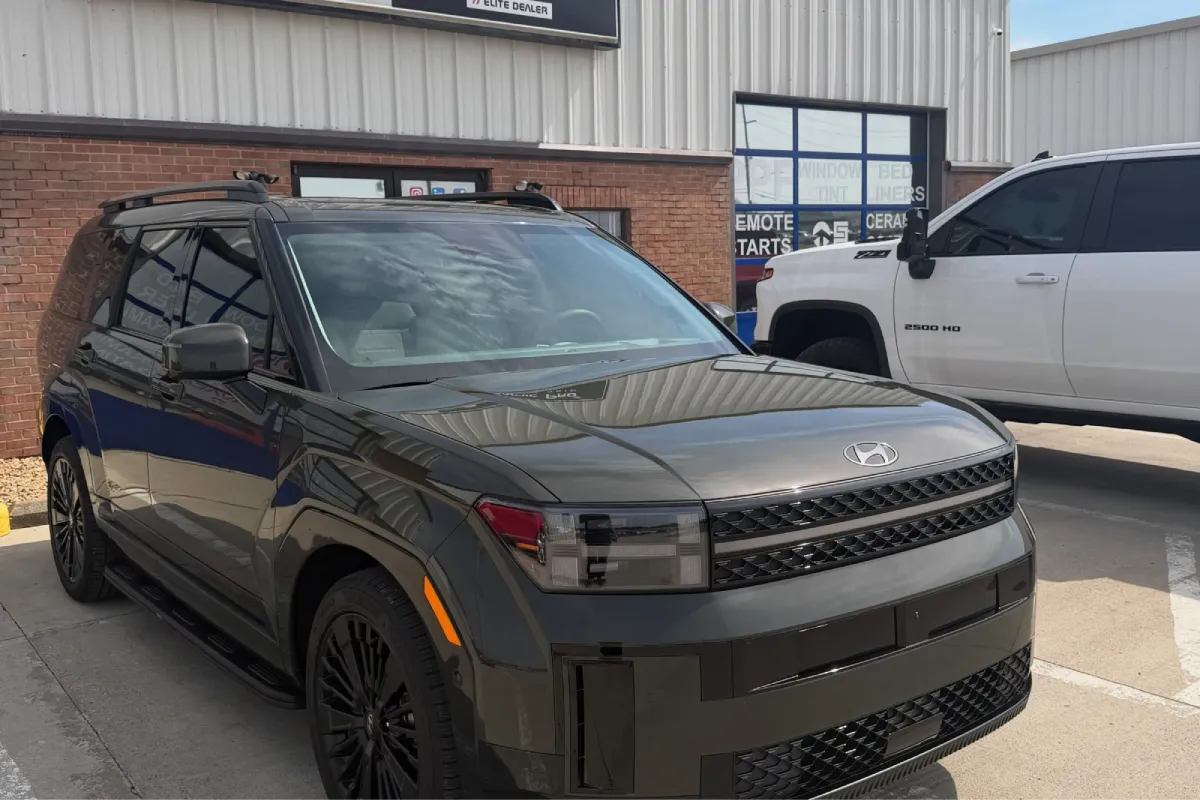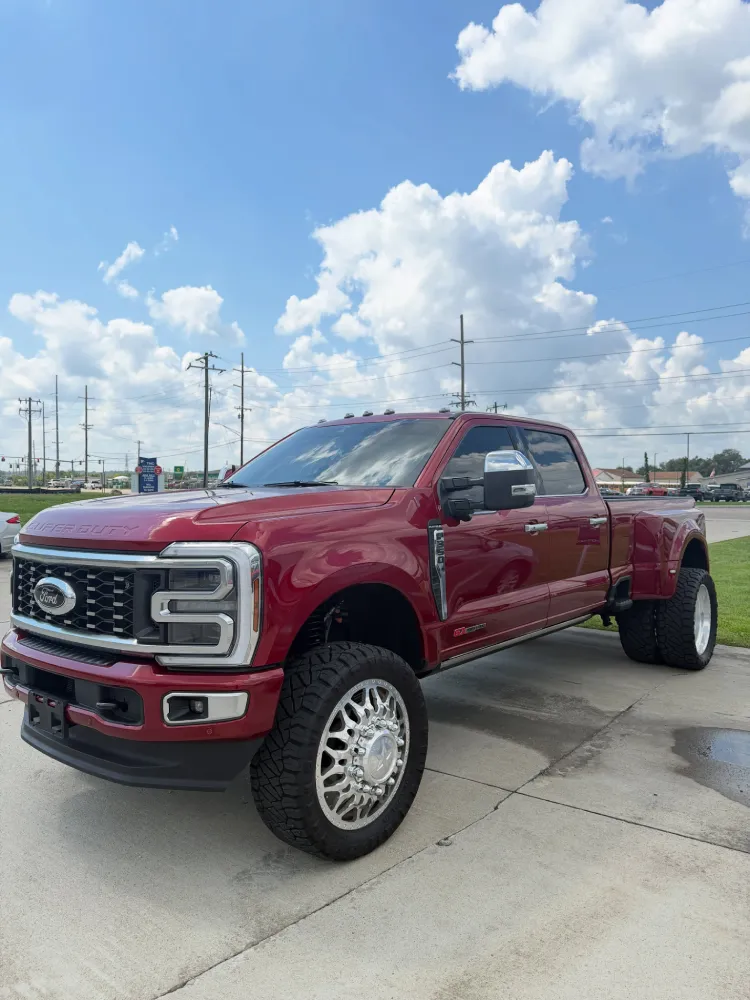

Paint protection film (PPF) can reduce long-term car maintenance costs by preventing paint damage, limiting the need for cosmetic repairs, and preserving the factory finish for longer. For most daily-driven vehicles, it reduces expenses associated with paint correction, chip repair, and repainting while helping maintain resale value.
For owners focused on long-term cost efficiency and vehicle preservation, PPF functions as a preventative investment rather than a cosmetic upgrade.
How Paint Protection Film Performs in Real Driving Conditions
Paint protection film is a transparent thermoplastic urethane layer applied to high-impact exterior areas such as the front bumper, hood, fenders, mirrors, and rocker panels. It is engineered to absorb physical impact and resist environmental contamination.
In real-world driving, vehicles are exposed to constant micro-abrasion and impact sources, including:
- Gravel and highway debris
- Road salt and sand particles
- UV exposure and oxidation
- Bug acids and organic contaminants
- Automated car wash friction
Instead of allowing this damage to reach the paint, PPF absorbs or disperses the impact energy across its surface layer.
Technicians routinely observe that even after short periods of highway use, unprotected panels accumulate visible chips while protected panels remain significantly cleaner and structurally intact.
What Modern Paint Protection Film Is Made Of
PPF is a multi-layer engineered system rather than a single plastic sheet. Each layer serves a distinct functional purpose.
Definition List: Core Construction Elements
These components work together to maintain optical clarity while delivering long-term surface protection.
Cost Savings Analysis: Does PPF Actually Pay for Itself?
The financial value of PPF becomes clearer when comparing the costs of preventive installation with the long-term repair and maintenance expenses.
1. Reduced Paint Repair Frequency
Without protection, even routine driving causes recurring stone-chip damage to front-facing panels. Repairing these issues often involves:
- Color matching and blending
- Clear coat refinishing
- Panel spot correction
PPF significantly reduces the need for these repeated repair cycles.
2. Lower Correction and Detailing Costs
Over time, unprotected paint develops swirl marks, micro-scratches, and oxidation. These typically require machine polishing or multi-stage paint correction.
With PPF installed:
- Damage is contained within the film layer
- Clear coat thickness is preserved
- Correction cycles are reduced or eliminated in protected areas
3. Higher Resale and Trade-In Value
For Middletown paint protection film, vehicle appearance is one of the strongest factors in resale valuation. Even minor cosmetic wear can reduce buyer confidence and perceived value.
Vehicles with professionally installed PPF typically show:
- Better gloss retention
- Fewer visible defects
- More uniform exterior condition
This often translates into stronger resale positioning.
4. Reduced Ongoing Maintenance Requirements
PPF reduces the frequency of intensive detailing services such as:
- Paint polishing
- Abrasive decontamination
- Waxing and sealing cycles
Most owners shift toward simple maintenance washing routines instead of corrective detailing.
Installation Process: What Professional Applications Involve
Proper installation is critical to long-term performance and durability. A professional-grade installation follows a structured process.
Step-by-Step Overview
- Initial Inspection – Paint condition is evaluated for defects or contamination.
- Paint Correction (if required) – Minor swirl marks are removed before film application.
- Surface Decontamination – Chemical and mechanical cleaning ensures bonding quality.
- Precision Cutting or Pre-Cut Kit Application – Film is prepared to match panel geometry.
- Wet Installation Technique – Film is positioned and adjusted for alignment.
- Edge Wrapping and Finishing – Edges are sealed for durability and aesthetics.
- Curing Period – The adhesive sets over several days to achieve full bond strength.
Each step contributes directly to film longevity and visual quality.
Protection Systems Compared
Different protection methods serve different purposes and should not be considered interchangeable.
| System | Function | Impact Protection | Lifespan | Maintenance Reduction |
| Wax | Gloss enhancement | None | Weeks | Low |
| Sealant | Surface protection | Minimal | Months | Moderate |
| Ceramic Coating | Chemical resistance | Low | 2–5 years | High |
| Paint Protection Film | Physical barrier | High | 5–10 years | Very High |
PPF remains the only system that provides true impact resistance against stone chips and abrasion.
Real-World Ownership Scenarios
Highway Commuters
Vehicles driven at sustained speeds experience continuous exposure to airborne debris. Front-end surfaces are most affected without protection.
Urban Drivers
Stop-and-go traffic increases the risk of minor cosmetic damage from tight parking conditions and environmental exposure.
Outdoor-Stored Vehicles
Constant UV exposure accelerates fading and clear coat degradation over time.
In practical service environments, vehicles regularly driven through Downtown Middletown experience accelerated front-end wear due to exposure to highway entry.
In South Middletown, parking density contributes to increased bumper scuffing and door edge contact marks.
In North Middletown, prolonged sun exposure leads to gradual oxidation of horizontal surfaces without protection.
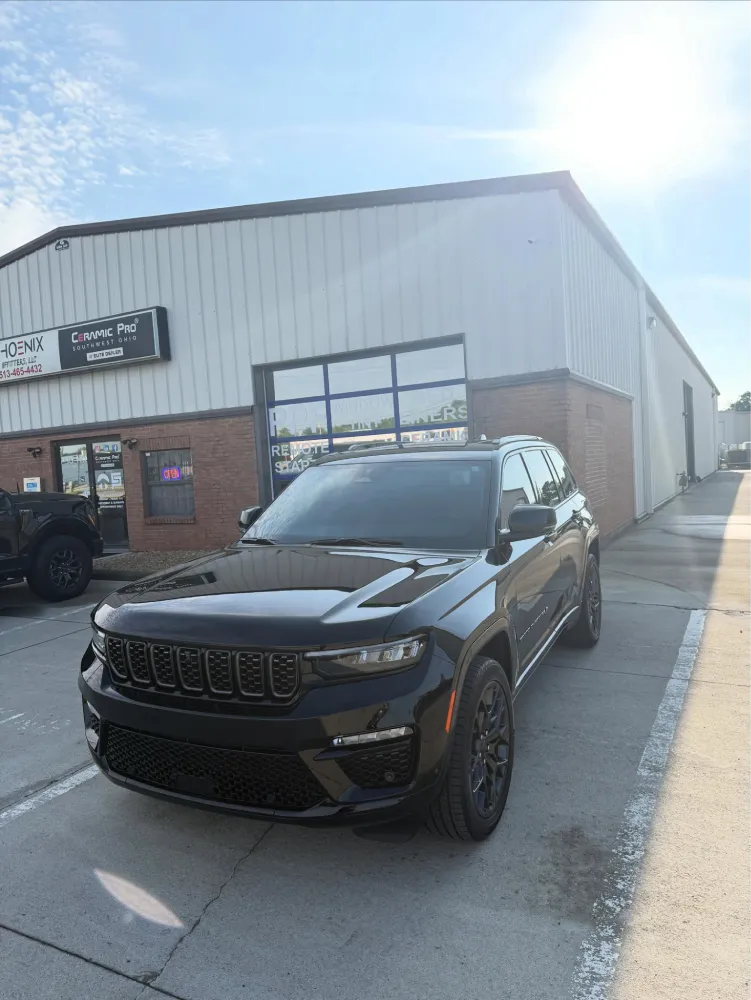
Common Misconception: PPF Is Only for Luxury Cars
A common misunderstanding is that paint protection film is only relevant for exotic or luxury vehicles. In reality, daily-driven vehicles often benefit more because they experience more consistent wear.
Modern factory paint systems are thinner than older formulations, making them more susceptible to abrasion across all vehicle categories, including:
- Sedans
- SUVs
- Trucks
- Electric vehicles
- Fleet vehicles
Preventing damage is generally more cost-effective than repairing it, regardless of vehicle type.
Factors That Affect PPF Performance
Several variables influence how long a paint protection film in Middletown remains effective.
Key Considerations
- Film thickness and material grade
- Installation environment cleanliness
- Surface preparation quality
- Edge sealing technique
- Maintenance habits after installation
Poor installation practices can significantly reduce lifespan and performance, including lifting edges or trapping contaminants.
About Ceramic Pro South West OH
Ceramic Pro South West OH provides professional automotive protection services, including paint protection film and ceramic coating installations. The focus is on structured preparation, precision installation, and long-term vehicle preservation.
Each vehicle is evaluated based on driving habits, paint condition, and ownership goals to determine the appropriate protection coverage strategy.
Clients searching for paint protection film in Middletown, OH, often prioritize long-term cost savings and factory-finish preservation as part of their ownership strategy.
Is Paint Protection Film Worth It in the Long Term?
PPF provides the greatest value for vehicles that are:
- Driven regularly on highways
- Owned long-term
- Intended for resale or trade-in value preservation
- Exposed to environmental wear factors
While upfront costs are higher than traditional wax or coating systems, long-term savings come from reduced repair frequency and lower cosmetic maintenance requirements.
The primary advantage is not just cost reduction, but maintaining a consistent exterior condition over the life of the vehicle.
In Summary
Paint protection film is a practical long-term investment that reduces maintenance costs, protects factory paint, and preserves resale value. By minimizing physical damage and reducing the need for corrective detailing, it offers measurable financial and aesthetic benefits over time.
For drivers in Southwestern Ohio seeking structured protection solutions tailored to real-world driving conditions, Ceramic Pro Southwest OH offers professional installation to ensure optimal performance and long-term durability.
To explore vehicle-specific protection options, contact us today
People Also Ask
How long does paint protection film last?
High-quality TPU-based PPF typically lasts 5–10 years, depending on environmental exposure and maintenance practices.
Can PPF be removed safely?
Yes. When properly installed and removed, it does not damage OEM paint.
Does PPF affect vehicle appearance?
Modern films are optically clear and maintain factory gloss. Matte finishes are also available.
Is full-body PPF necessary?
Not always. Many owners choose front-end coverage as a cost-effective solution.
Does PPF require special care?
No. Regular washing with pH-neutral automotive soap is sufficient.