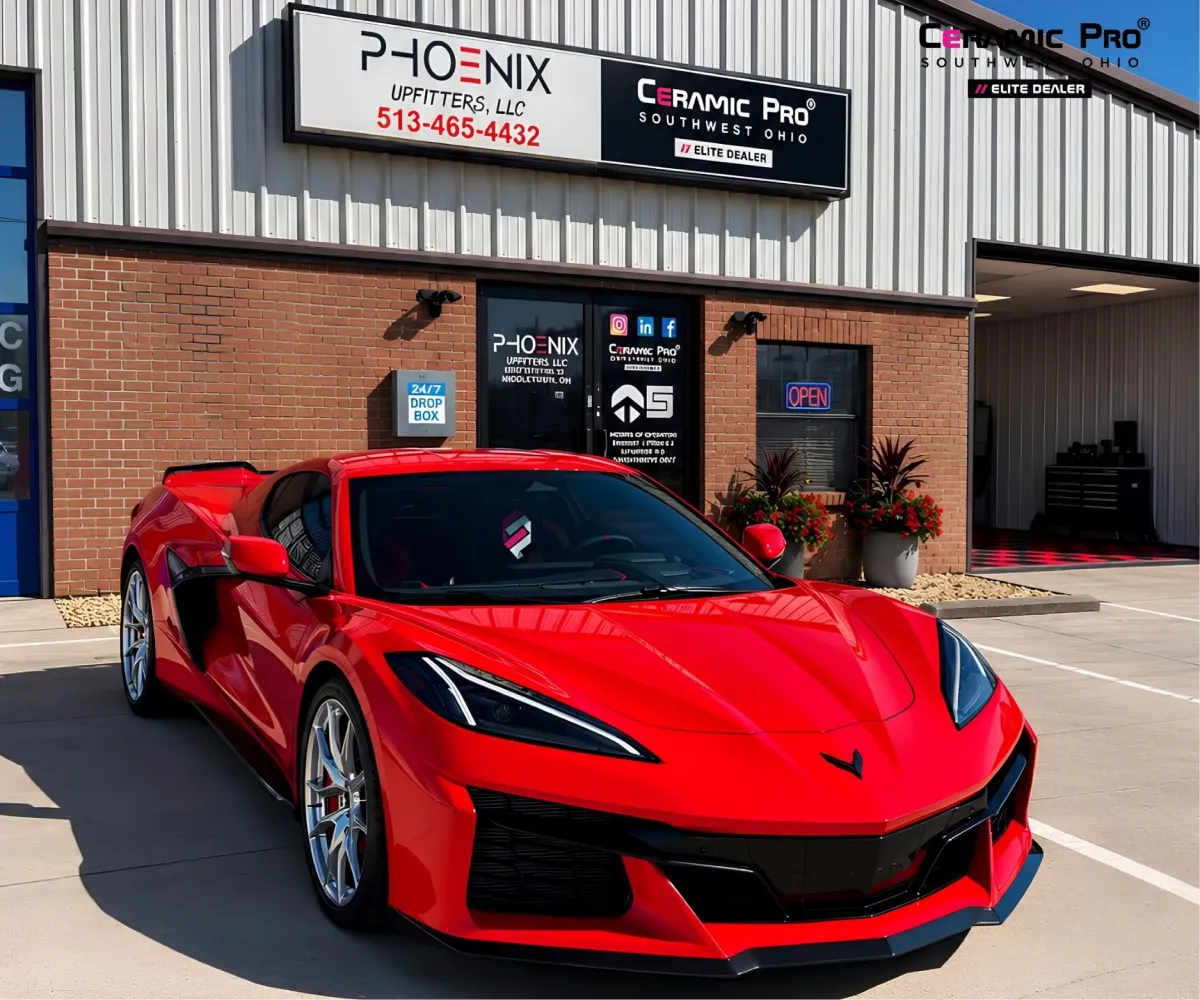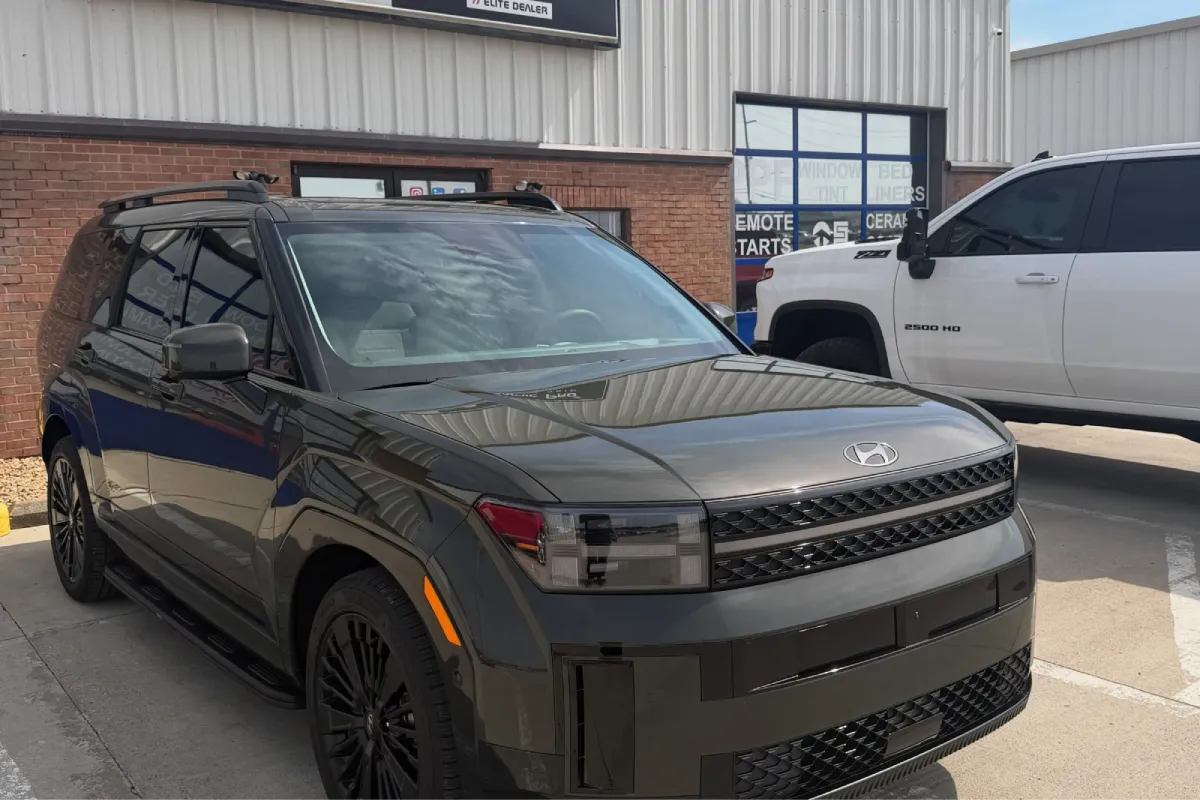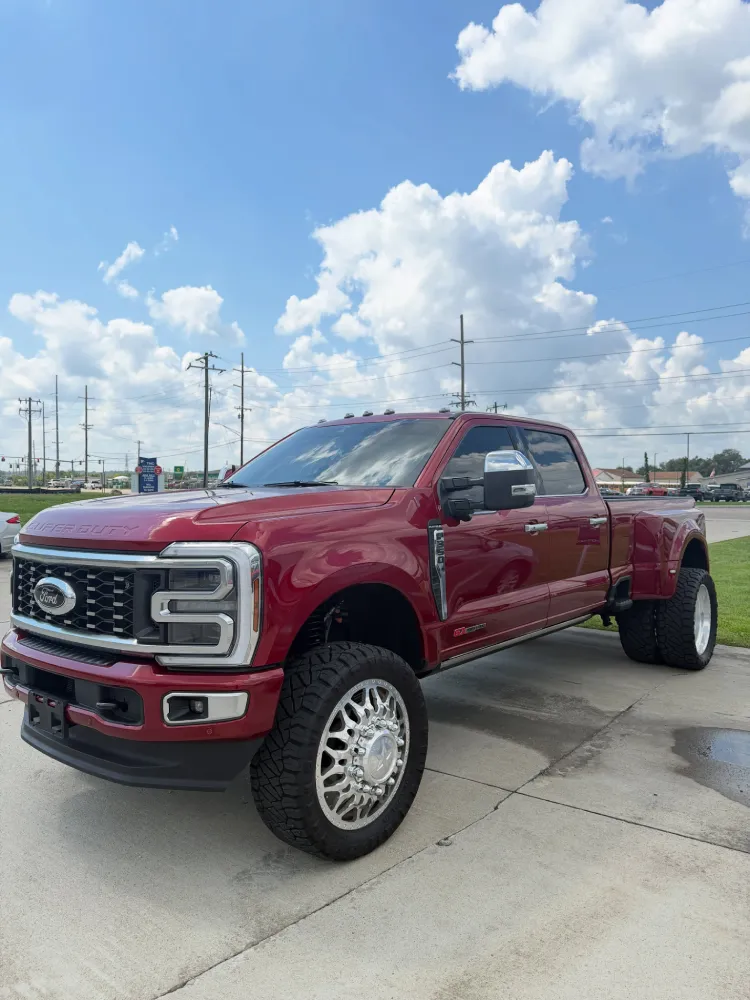

Ceramic coating outperforms traditional wax because it chemically bonds with a vehicle’s clear coat, forming a durable, semi-permanent protective layer. This layer resists UV damage, oxidation, chemical contaminants, and environmental wear far more effectively than wax, which only sits on the surface and breaks down quickly.
For drivers researching in Middletown, the key distinction is longevity: ceramic coating lasts for years with proper maintenance, while wax requires frequent reapplication and offers more limited depth of protection.
Ceramic Coating vs Wax: Core Differences That Matter
| Feature | Ceramic Coating | Wax |
| Bond Type | Chemical bond (SiO₂ layer integration) | Temporary surface layer |
| Lifespan | 2–7+ years | Weeks to months |
| UV Resistance | High | Low to moderate |
| Chemical Resistance | Strong | Weak |
| Hydrophobic Effect | Long-lasting water repellency | Short-term beading |
| Maintenance Demand | Low | High |
The difference is structural. Middletown, OH, ceramic coating integrates into the paint system, while wax is a sacrificial layer that degrades under environmental stress.
How Ceramic Coating Works on a Technical Level
Ceramic coatings are engineered using silicon dioxide (SiO₂), which reacts during curing to form a hardened layer on top of the vehicle’s clear coat. This creates a semi-permanent barrier that becomes part of the paint system itself.
Wax, in contrast, relies on natural or synthetic oils that sit on top of the surface. These compounds break down quickly under heat, detergents, and UV exposure.
In professional detailing environments, this distinction is critical because coating performance depends heavily on surface preparation. Any contamination or oxidation left on the paint will compromise adhesion and durability.
Real-World Driving Performance Benefits
Environmental Resistance
Ceramic coating in Middletown provides a durable barrier against road salt, bird droppings, tree sap, and industrial fallout, substances that commonly etch or stain untreated paint.
Easier Cleaning Behavior
Dirt and grime have a harder time bonding to the hydrophobic surface, reducing wash time and lowering the risk of swirl marks from aggressive cleaning.
Optical Clarity and Gloss Stability
Instead of artificially enhancing shine, ceramic coatings improve how light reflects off the paint, creating a deeper and more uniform gloss that does not degrade quickly.
Long-Term Surface Stability
Unlike wax, which fades unevenly, ceramic coating in Middletown, OH, maintains consistent protection across the entire surface for years.
Specification Breakdown (What Each Feature Actually Means)
Durability
Represents how long the coating remains active on the surface, often measured in years, depending on product quality and maintenance habits.
Hydrophobic Performance
Water forms tight beads and sheets off the surface, reducing water spotting and mineral deposits.
UV Resistance
Slows oxidation and prevents premature fading of the clear coat caused by prolonged sun exposure.
Chemical Resistance
Protects against acidic contaminants, including bird droppings, brake dust, and environmental fallout.
Gloss Enhancement
Improves visual depth by increasing surface reflectivity and reducing microscopic imperfections.
Cost Analysis: Short-Term vs Long-Term Value
- Initial Cost Difference
Wax is inexpensive upfront but requires repeated application. - Maintenance Frequency
Wax must be reapplied every few weeks, increasing long-term effort and cost. - Paint Correction Savings
Ceramic coatings reduce swirl formation, potentially reducing the need for polishing over time. - Lifecycle Efficiency
Over multiple years, ceramic coatings often deliver better value due to reduced maintenance cycles.
Professional Application Process Matters More Than Product
A ceramic coating is only as effective as its installation. Proper preparation is what determines durability, bonding strength, and real-world performance.
Full exterior decontamination wash
The vehicle is thoroughly washed to remove loose dirt, road film, and surface grime. This prevents contaminants from interfering with later correction and bonding stages.
Iron and tar removal for embedded particles
Chemical decontamination removes bonded iron fallout, brake dust, and tar that regular washing cannot reach. These hidden contaminants can weaken coating adhesion if left untreated.
Paint correction (machine polishing)
The paint is polished to remove swirl marks, light scratches, and oxidation. Since ceramic coatings lock in the paint’s existing condition, defects must be corrected beforehand.
Panel wipe for surface purity
An alcohol-based wipe removes polishing oils and residues, ensuring the coating bonds directly to the clear coat without any barrier layers.
Controlled application in sections
The coating is applied in small, controlled areas to maintain even coverage and proper flash timing. Environmental conditions like temperature and humidity must be managed carefully.
Curing under stable conditions
After application, the coating needs time to chemically bond and harden. Exposure to moisture or dust too early can weaken performance and reduce lifespan.
Skipping or rushing these steps reduces durability, weakens hydrophobic performance, and leads to inconsistent results regardless of product quality.
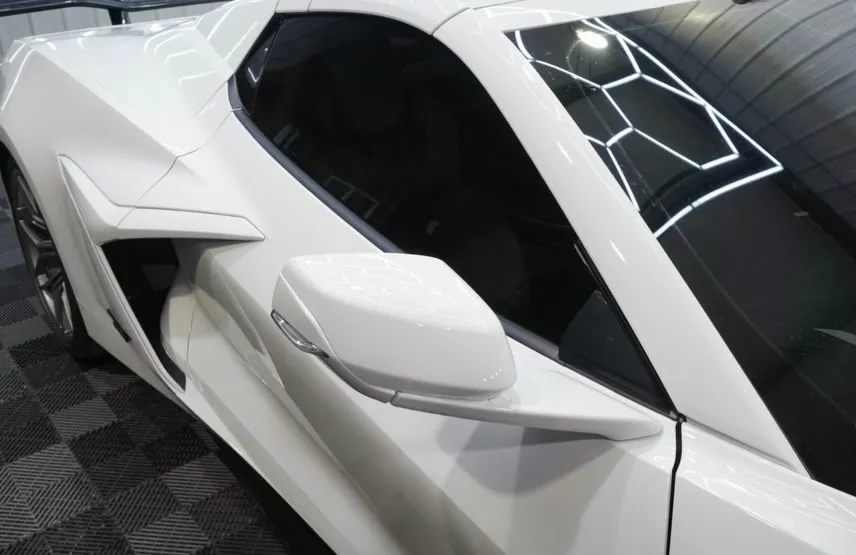
Applying Our SurfaceBond Precision System
At Ceramic Pro South West OH, we use a structured methodology called the SurfaceBond Precision System to ensure predictable, long-lasting coating performance.
This system is built around controlled preparation, precise application, and post-installation validation.
Each vehicle undergoes a full surface assessment before any coating is applied. Paint correction is completed first to remove defects that could interfere with bonding. The coating is then applied in measured sections under controlled lighting conditions to ensure uniform coverage.
Finally, each installation is inspected for hydrophobic response, visual consistency, and curing stability before the vehicle is returned to the owner.
This structured approach ensures that performance is based on controlled process quality—not variability in application.
Real-World Paint Condition Behavior
Paint degradation is heavily influenced by the environment rather than mileage alone.
Vehicles exposed to constant outdoor conditions experience faster oxidation and contamination buildup. Vehicles that are regularly washed but unprotected still accumulate micro-scratches over time due to friction-based cleaning methods.
Proper surface protection significantly slows this degradation process, preserving both gloss and clear coat integrity.
Common Misconceptions About Ceramic Coating
Ceramic coating makes a vehicle scratch-proof
Incorrect. It improves resistance to micro-marring and light swirl marks, but it does not prevent scratches caused by impacts, abrasion, or improper washing techniques.
Wax provides similar protection if applied frequently
False. Wax provides a temporary sacrificial layer but lacks chemical bonding to the clear coat. It degrades quickly in heat, with detergents and environmental exposure, requiring frequent reapplication.
Ceramic coating eliminates maintenance
Partially incorrect. It reduces cleaning effort due to hydrophobic properties and easier dirt release, but the vehicle still requires regular washing to prevent contamination buildup.
Ceramic coating prevents all environmental damage
Incorrect. While it offers strong resistance to UV oxidation, bird droppings, acid rain, and chemical etching, prolonged exposure without cleaning can still cause staining or etching.
All ceramic coatings last the same duration
Incorrect. Longevity varies significantly depending on formulation, surface preparation, layer thickness, and maintenance. Professional-grade coatings can last years, while consumer products may degrade much sooner.
Ceramic coating replaces paint correction
False. Paint correction is typically required before application to remove swirl marks and defects; ceramic coating locks in the existing paint condition rather than improving it.
Ceramic coating makes washing unnecessary
Incorrect. It reduces the effort required to clean the surface but does not prevent dirt from accumulating. Regular washing is still required to maintain hydrophobic performance and appearance.
About Ceramic Pro South West OH (Expert Process & Standards)
Ceramic Pro South West OH specializes in advanced automotive surface protection systems designed around controlled preparation, precision application, and long-term durability.
The foundation of the service approach is simple: surface preparation determines coating performance. Every vehicle undergoes a detailed inspection and correction before any protective layer is applied.
This ensures coatings are bonded to a properly refined surface rather than masking imperfections.
The focus is on measurable outcomes such as durability, consistency, hydrophobic performance, and long-term gloss retention, not short-term cosmetic appearance.
For vehicle owners evaluating professional protection options, Middletown ceramic coating services are most effective when process control and preparation quality are prioritized over product marketing.
In Summary
Ceramic coating offers a more advanced and durable approach to vehicle paint protection than traditional wax systems. It provides long-term resistance to environmental damage, reduces maintenance demands, and preserves paint clarity and gloss over extended periods.
For drivers seeking consistent, long-term protection rather than short-term cosmetic enhancement, Ceramic Pro Southwest OH remains the more effective solution.
Protect your vehicle with professional-grade surface preparation and controlled application standards.
Contact us today to schedule a consultation and evaluate the right protection system for your vehicle.
Frequently Asked Questions
How long does ceramic coating last?
Typically 2–7 years, depending on product quality and maintenance habits.
Is ceramic coating worth it compared to wax?
Yes, due to significantly higher durability and reduced maintenance requirements.
Can ceramic coating be applied to older vehicles?
Yes, but paint correction is typically required first.
Does ceramic coating prevent all damage?
No. It protects against environmental wear but not physical impact damage.
How should ceramic coating be maintained?
Use pH-neutral wash products and avoid abrasive cleaning methods.