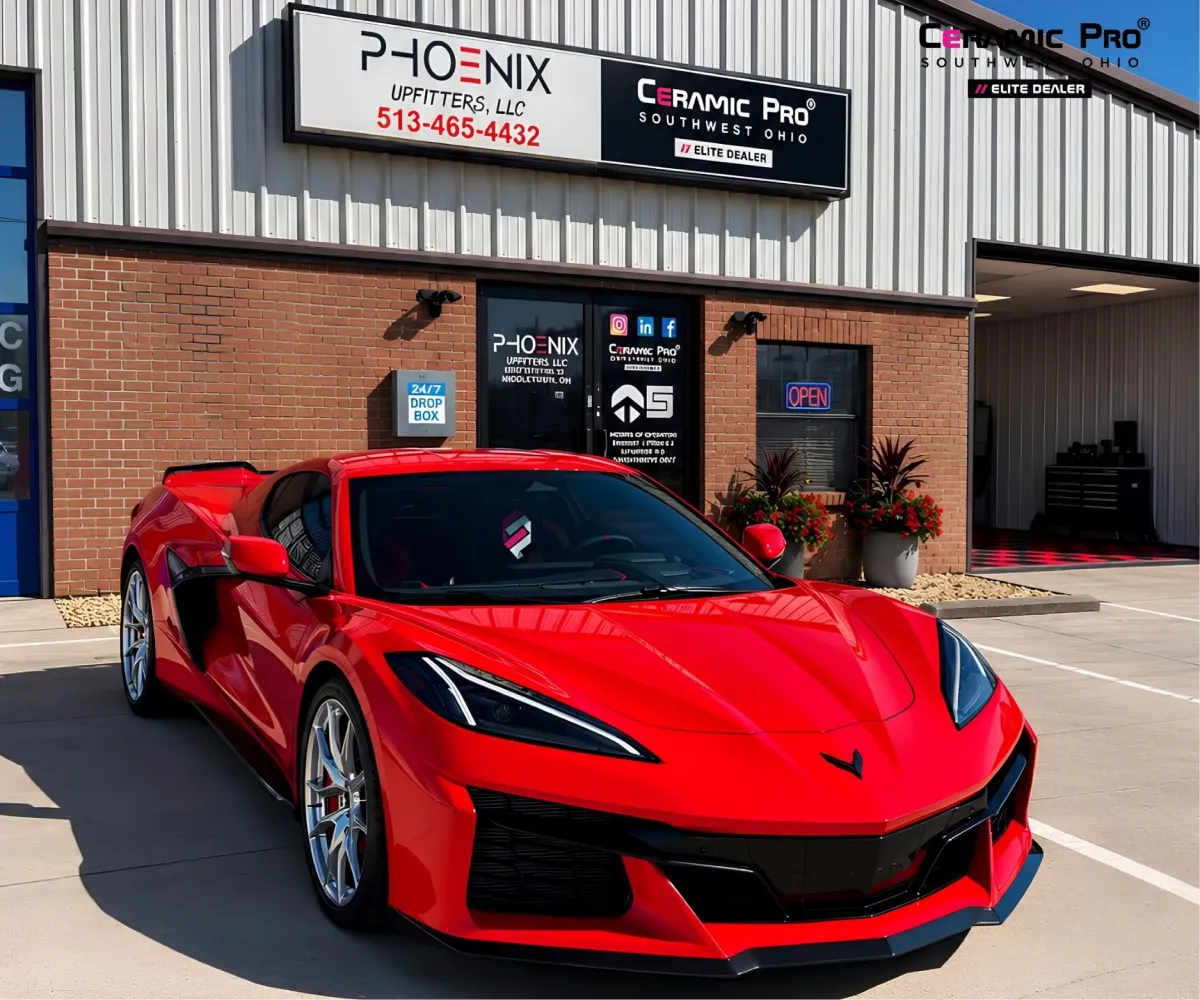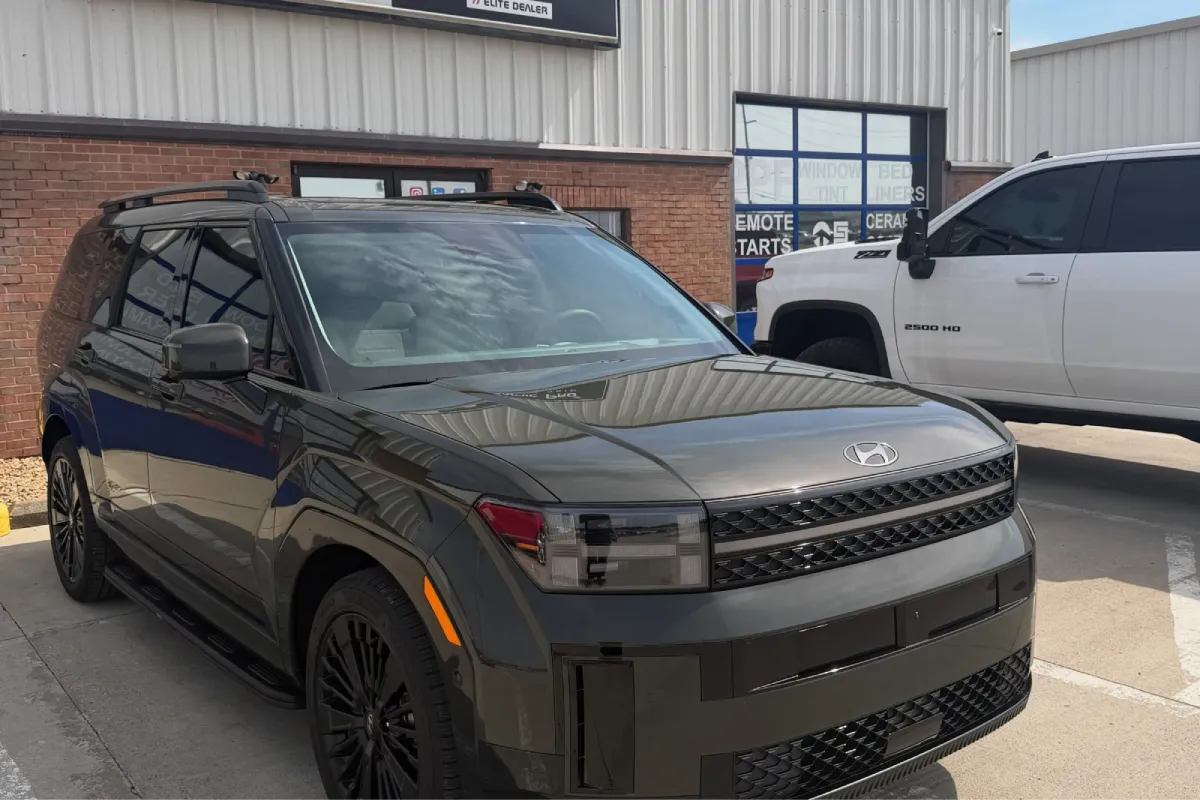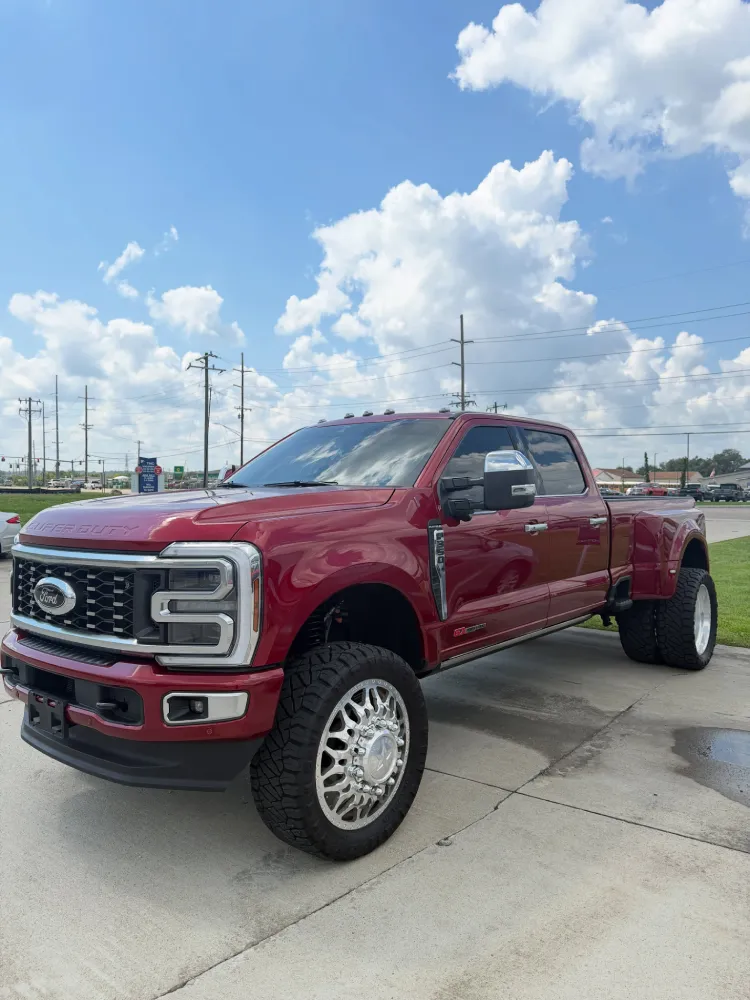

Ceramic coating is an advanced vehicle protection solution that chemically bonds with your car’s clear coat, forming a durable, hydrophobic layer that helps protect against UV rays, oxidation, chemical stains, and light surface damage while enhancing gloss and making maintenance significantly easier.
Understanding Why Paint Protection Matters
Your vehicle’s paint is constantly exposed to environmental stress. Sunlight, acid rain, road salt, industrial fallout, and even routine washing gradually degrade the finish over time. While modern automotive paint systems are designed to be durable, they are not immune to long-term damage.
Without protection, oxidation begins to dull the clear coat, UV rays fade color pigments, and contaminants bond to the surface. This leads to a rough texture, reduced shine, and eventually costly correction or repainting.
This is why protective solutions like ceramic coatings have become increasingly popular among car owners who want long-term preservation rather than temporary cosmetic shine.
For drivers researching ceramic coating in Middletown, the goal is often the same: reduce long-term maintenance while keeping the vehicle looking consistently new.
What Makes Ceramic Coating Different
Unlike traditional waxes or sealants, ceramic coating is not simply a surface layer that sits on top of the paint. Instead, it forms a semi-permanent chemical bond with the clear coat.
Once cured, it becomes part of the surface structure, creating a protective, highly resistant layer. This bonded layer is what gives ceramic coating its long-lasting performance advantage.
A major reason many car owners consider ceramic coating in Middletown, OH, is that it provides a balance of durability, appearance enhancement, and reduced maintenance compared to conventional detailing products.
Key Benefits of Ceramic Coating
Ceramic coatings offer multiple functional and aesthetic benefits that go beyond simple shine:
- Long-term protection from UV exposure and oxidation
- Reduced risk of chemical staining from bird droppings, tree sap, and road grime
- A hydrophobic surface that repels water and dirt
- Enhanced gloss and depth in paint appearance
- Easier and less frequent washing requirements
- Improved resistance to light swirl marks from washing
One of the most noticeable benefits is how clean the vehicle stays over time. Because contaminants have difficulty bonding to the surface, dirt and grime wash away more easily.
Many vehicle owners exploring Middletown ceramic coating services are primarily motivated by the reduced maintenance demands and improved visual appearance.
The Science Behind the Protection
At the microscopic level, ceramic coatings are typically composed of silicon dioxide (SiO₂) or similar nano-ceramic compounds. When applied, these particles fill microscopic imperfections in the clear coat.
Once the coating cures, it forms a dense, glass-like layer. This layer has extremely low surface energy, which is why water and contaminants struggle to adhere to it.
The result is a smoother surface that reflects light more evenly, creating a deeper and more consistent gloss. This optical improvement is often what gives vehicles a “wet look” finish after application.
Drivers considering Middletown, OH, ceramic coating often notice this transformation immediately after professional installation.
Step-by-Step Application Process
Proper application is critical to achieving long-lasting results. Ceramic coating is not a simple wipe-on product; it requires preparation, precision, and controlled curing conditions.
1. Thorough Cleaning
The vehicle is first washed to remove surface dirt, grease, and debris. This step ensures that no contaminants are trapped under the coating.
2. Decontamination
Iron particles, tar, and embedded contaminants are removed using specialized products, creating a completely clean surface.
3. Paint Correction
This step removes swirl marks, scratches, and oxidation. It ensures the paint is in optimal condition before sealing it under a protective layer.
4. Surface Preparation
The paint is wiped with an isopropyl-based solution to remove polishing oils and residues.
5. Coating Application
The ceramic coating is carefully applied in small sections to ensure even coverage and proper bonding.
6. Curing Process
The vehicle must remain dry and untouched for 24–48 hours to allow the coating to fully cure and harden.
This process is what separates professional-grade results from DIY applications
Ceramic Coating vs Traditional Wax
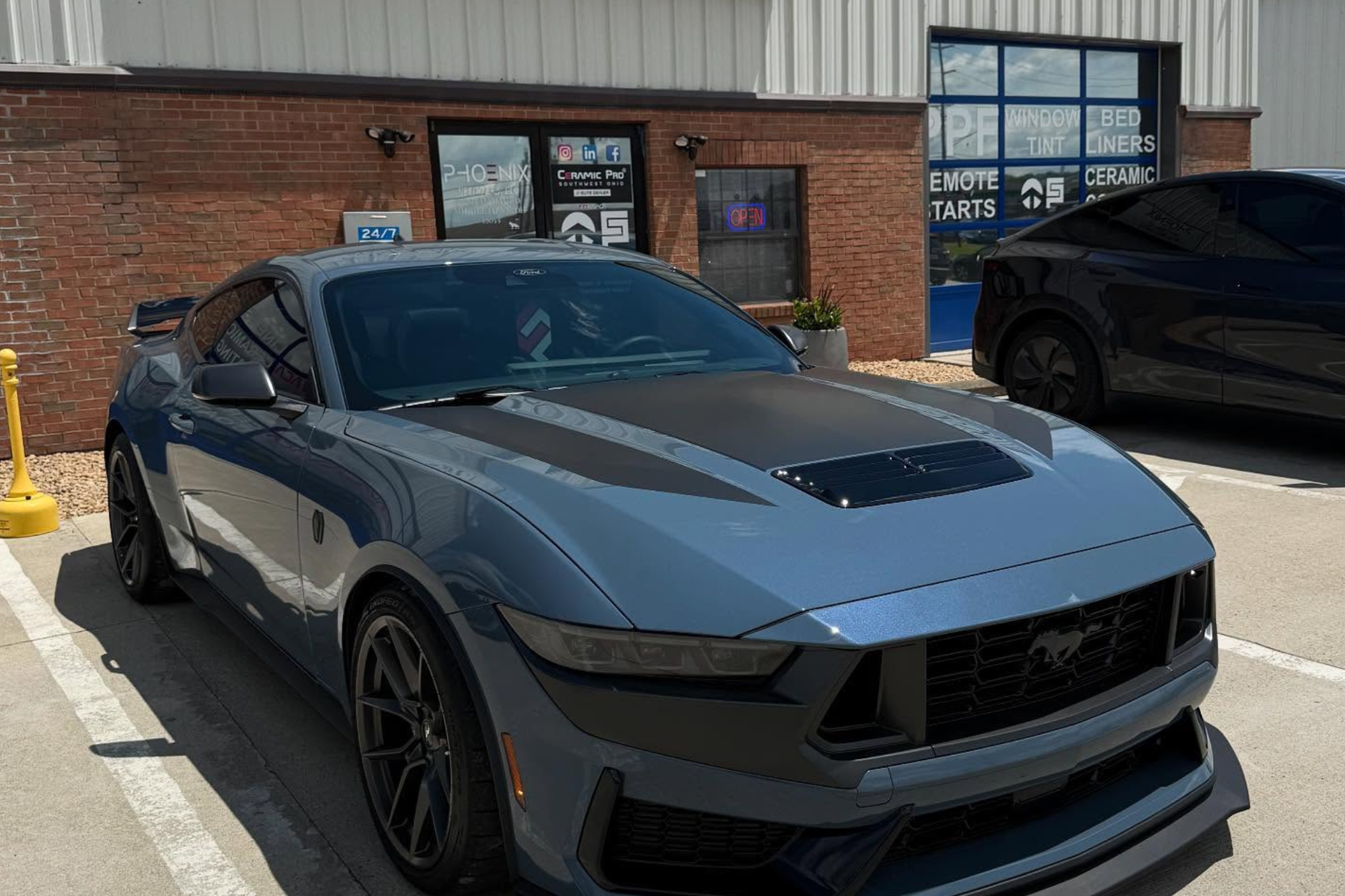
Understanding the difference between wax and ceramic coating helps clarify why many car owners choose the latter for long-term protection.
Wax:
- Provides short-term shine
- Typically lasts only a few weeks or months
- Sits on top of the paint surface
- Offers limited environmental protection
- Requires frequent reapplication
Ceramic Coating:
- Provides multi-year protection
- Chemically bonds to paint
- Resists UV damage, chemicals, and oxidation
- Maintains gloss for extended periods
- Requires minimal maintenance
While wax can temporarily enhance appearance, ceramic coating is designed for durability and consistent performance over time.
Maintenance Requirements After Coating
Although ceramic coating significantly reduces maintenance, proper care is still essential to maximize its lifespan.
Recommended maintenance practices include:
- Washing with pH-neutral car shampoo
- Avoiding abrasive sponges or brushes
- Using microfiber towels for drying
- Washing in shaded areas to prevent water spotting
- Applying maintenance boosters when needed
These steps help preserve the coating’s hydrophobic properties and ensure it continues to perform effectively for years.
Common Misconceptions
There are several misconceptions about ceramic coatings that are worth clarifying:
“It makes the car scratch-proof.”
Ceramic coating improves resistance to light swirl marks but does not prevent deeper scratches or physical damage.
“You never have to wash your car again.”
While it reduces the need for cleaning, regular washing is still necessary to maintain appearance and performance.
“All coatings are the same.”
Quality varies significantly depending on formulation, application process, and installer expertise.
Who Should Consider Ceramic Coating?
Ceramic coating is ideal for:
- Daily drivers are exposed to harsh weather conditions
- New car owners wanting to preserve factory paint
- Enthusiasts seeking long-term gloss and protection
- Vehicles are frequently parked outdoors
- Owners looking to reduce long-term detailing costs
It is particularly beneficial for individuals who value appearance but want to minimize ongoing maintenance effort.
In Summary
Ceramic coating represents a significant advancement in automotive paint protection. Forming a long-lasting bond with the vehicle’s surface, it provides a level of durability and visual enhancement that traditional products cannot match.
For drivers seeking a balance between aesthetics and protection, it offers a practical long-term solution that reduces maintenance while preserving a high-quality finish.
Protect Your Vehicle the Right Way
If you are considering a professional solution that keeps your vehicle cleaner, shinier, and better protected over time, ceramic coating is a strong option worth exploring.
Whether you’re researching ceramic coating options in Middletown or comparing local providers, the key is to choose proper application and high-quality materials. For long-term results and reliable protection, working with experienced professionals like Ceramic Pro Southwest OH helps ensure your investment performs as intended. Reach out to us today to get started.
Frequently Asked Questions
How long does ceramic coating last?
Depending on product quality and maintenance, it can last anywhere from 2 to 7 years.
Can ceramic coating prevent all damage?
No. It protects against environmental damage but not impact-related damage such as rock chips.
Is professional installation necessary?
Yes. Proper surface preparation and application significantly affect durability and performance.
Does it improve resale value?
Yes. Well-maintained paint condition can positively impact resale value.
Can it be removed?
Yes, but it typically requires machine polishing to break down the bonded layer.