
Vehicle paint naturally degrades over time due to environmental exposure, aging, and lack of protection. What begins as minor dullness or oxidation can eventually lead to visible fading, clear-coat failure, or uneven coloration across panels. At that stage, many vehicle owners assume a full repaint is the only solution.
However, modern vinyl wrapping has changed how drivers approach vehicle restoration and styling. For those researching car wrap in Middletown, OH, wraps offer a practical middle ground between doing nothing and committing to a costly full repaint. They restore visual appeal, protect underlying paint, and allow full customization without permanent alteration.
This makes wraps especially relevant for daily drivers, leased vehicles, and business fleets where flexibility matters as much as appearance.
Why Vehicle Paint Fades Over Time
Understanding why paint deteriorates helps clarify why wraps have become so popular. Automotive paint systems are typically composed of multiple layers:
- Primer (adhesion layer)
- Base coat (color layer)
- Clear coat (protective gloss layer)
The clear coat is the most exposed and therefore the most vulnerable. Over time, it breaks down due to:
- UV radiation exposure from sunlight
- Oxidation from air and moisture
- Acid rain and environmental pollutants
- Improper washing techniques or abrasive cleaning tools
- Long-term neglect or lack of protective coatings
Once the clear coat begins to fail, the surface loses reflectivity and becomes chalky or uneven. At this point, polishing may temporarily improve appearance, but it cannot restore structural integrity.
A Real-World Scenario From a Local Driver
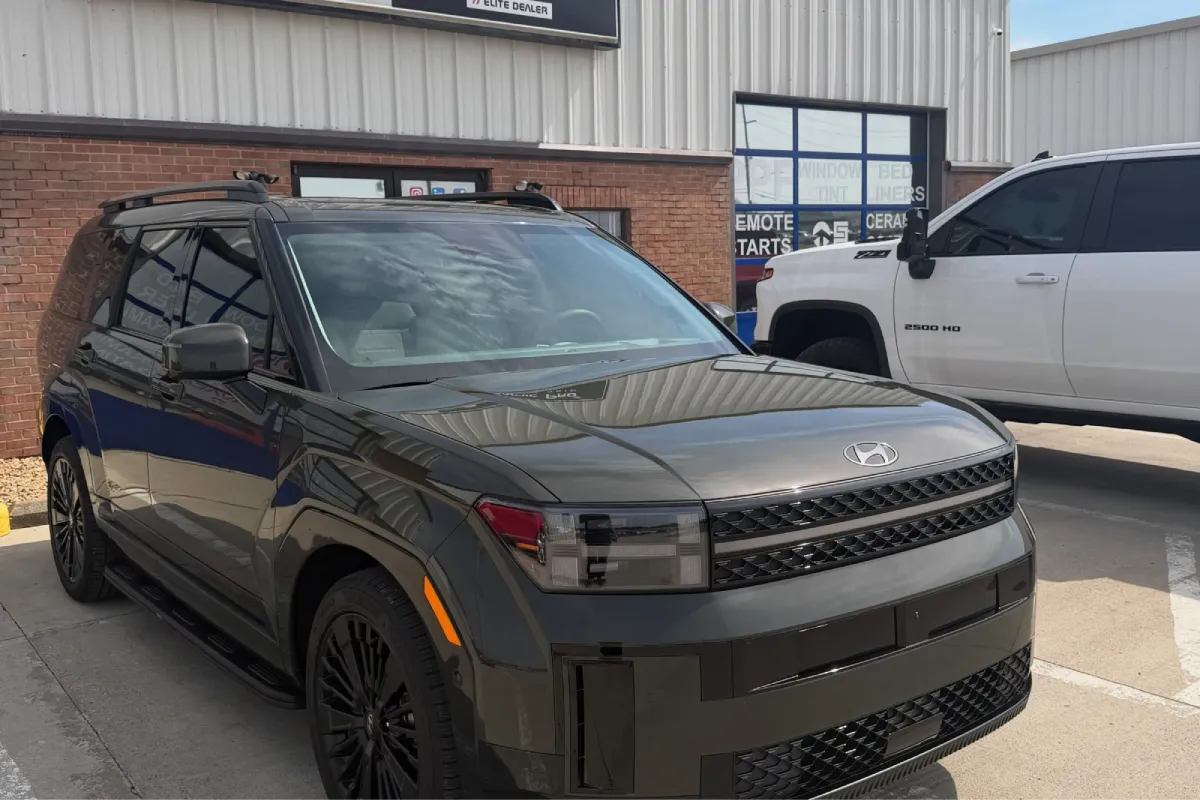
A vehicle owner recently visited a shop with a black SUV showing significant fading on the hood and roof. The paint was still intact, but the clear coat had dulled to the point where gloss restoration was no longer effective.
Initially, the owner considered repainting the entire vehicle. However, the cost estimate and downtime were major concerns, especially since the vehicle was used daily for commuting.
Instead, they opted for a satin gray vinyl wrap.
The results were immediate and practical:
- The vehicle’s appearance was fully refreshed
- The original paint was preserved underneath
- Installation was completed in a few days instead of weeks
- The owner retained the option to revert or change styles later
For many drivers searching for a car wrap in Middletown, this type of outcome illustrates why wraps are increasingly seen as a realistic alternative to repainting rather than just a cosmetic upgrade.
What a Car Wrap Actually Is
A vinyl wrap is a thin, adhesive-backed film applied directly over a vehicle’s exterior panels. Unlike paint, which chemically bonds to the surface, wraps, and mechanically adheres, it conforms to body lines and curves.
Modern wraps are engineered with:
- UV-resistant coatings
- Stretchable polymer materials
- Air-release channels for bubble-free installation
- Protective laminates for durability
They are commonly used for:
- Full vehicle color changes
- Partial accent styling (hoods, roofs, mirrors)
- Commercial branding and advertising
- Paint protection over original finishes
Drivers considering Middletown, OH, car wrap services often choose wraps because they allow design freedom without permanent modification or resale complications.
Comparing Vinyl Wraps and Paint Jobs
One of the most important distinctions between wraps and paint is permanence.
A traditional repaint involves:
- Sanding or stripping existing layers
- Applying primer and multiple paint coats
- Clear coating and curing
- Long drying and finishing cycles
This process is labor-intensive, time-consuming, and permanent.
Vinyl wraps, by contrast:
- Do not alter the original paint
- Can be removed without permanent changes (when properly installed)
- Require significantly less downtime
- Allow for future redesign or replacement
Paint still remains the better option for structural repairs such as rust correction or collision damage. However, for aesthetic restoration and customization, wraps are often more efficient.
Durability and Maintenance Expectations
A professionally installed vinyl wrap can last several years, depending on environmental exposure and care. While not permanent, it is designed to be durable under normal driving conditions.
To extend lifespan:
- Wash the vehicle by hand using mild soap
- Avoid harsh brushes or automatic car washes
- Dry gently to prevent water spotting
- Park in shaded or covered areas when possible
- Use approved protective sealants when recommended
For drivers considering a Middletown car wrap, maintenance simplicity is often a deciding factor. Unlike paint, wraps do not require polishing, waxing, or multi-step correction processes.
Design Freedom and Customization Options
One of the strongest advantages of vinyl wrapping is creative flexibility. Unlike paint, which requires full reapplication for color changes, wraps can be redesigned or replaced with minimal disruption.
Available options include:
- Matte finishes for a modern, non-reflective look
- Gloss finishes that mimic factory paint
- Satin textures that sit between matte and gloss
- Chrome, metallic, or specialty finishes
- Custom printed graphics for branding or personal expression
This makes wraps particularly valuable for small businesses, car enthusiasts, and fleet operators who need consistent branding or frequent visual updates.
Practical Advantages Beyond Appearance
While aesthetics are often the primary reason people consider wraps, there are additional functional benefits:
- Protects factory paint from minor scratches and UV exposure
- Helps preserve resale value by maintaining the original finish
- Reduces the need for repeated repainting or touch-ups
- Minimizes downtime compared to paint repair cycles
- Allows reversible design changes without long-term commitment
In many cases, wraps serve as both a protective and cosmetic solution, bridging the gap between maintenance and personalization.
Environmental and Efficiency Considerations
Vinyl wrapping can also be considered a more resource-efficient option compared to full repainting. Paint refinishing often involves:
- Chemical-heavy preparation processes
- Multiple coating stages
- Extended curing times
- Higher material waste in large-scale repairs
Wrap installation typically involves less environmental disruption and a faster turnaround, reducing vehicle downtime and resource consumption.
When a Wrap Is Not the Right Solution
Despite their advantages, wraps are not a universal fix. They are not designed to repair:
- Rust or corrosion damage
- Deep scratches or dents
- Failing or peeling paint surfaces
In these cases, surface preparation or repainting is still necessary before a wrap can be applied successfully.
Local Perspective and Market Demand
In many regional markets, including Ohio communities, demand for vinyl wrapping has grown due to cost concerns, vehicle personalization trends, and the desire to protect factory finishes.
Drivers searching for car wrap services are often motivated by three core needs:
- Restoring faded or aging vehicle appearance
- Avoiding the cost and downtime of repainting
- Gaining customization flexibility for personal or business use
This shift reflects a broader trend in automotive care where reversible modifications are preferred over permanent alterations.
In Summary
Vehicle paint naturally degrades over time, but repainting is no longer the only viable solution. Vinyl wraps offer a flexible, protective, and customizable alternative that addresses both aesthetic and practical concerns.
When properly installed and maintained, wraps can restore visual appeal, protect factory paint, and provide long-term flexibility without permanent commitment. For many vehicle owners, this balance makes them a more strategic choice than traditional repainting.
At Ceramic Pro Southwest Ohio, we specialize in professional wrapping solutions tailored to both personal vehicles and commercial applications. Our focus is on delivering clean installation quality, durable materials, and finishes that enhance both appearance and protection.
For drivers exploring car wraps, wraps represent a modern approach to vehicle styling that prioritizes flexibility, preservation, and long-term value, enhancing appearance while protecting the original paint and allowing easy updates as preferences evolve. Reach out to us today to learn how a custom wrap can transform your vehicle.
Frequently Asked Questions
How long does a car wrap typically last?
Most vinyl wraps last between 3 and 7 years, depending on environmental exposure and maintenance habits.
Can a wrap damage my car’s paint?
No. When properly installed and removed, wraps protect the underlying paint rather than damage it.
Is wrapping cheaper than repainting?
In many cases, yes, especially when comparing full high-quality repaint jobs with professional vinyl wrap installations.
Can wraps fix faded paint?
Wraps cover the appearance of faded paint but do not restore or repair the underlying surface condition.
Can I change my wrap design later?
Yes. One of the key benefits of wraps is that they can be removed or replaced with a new design without permanent impact.