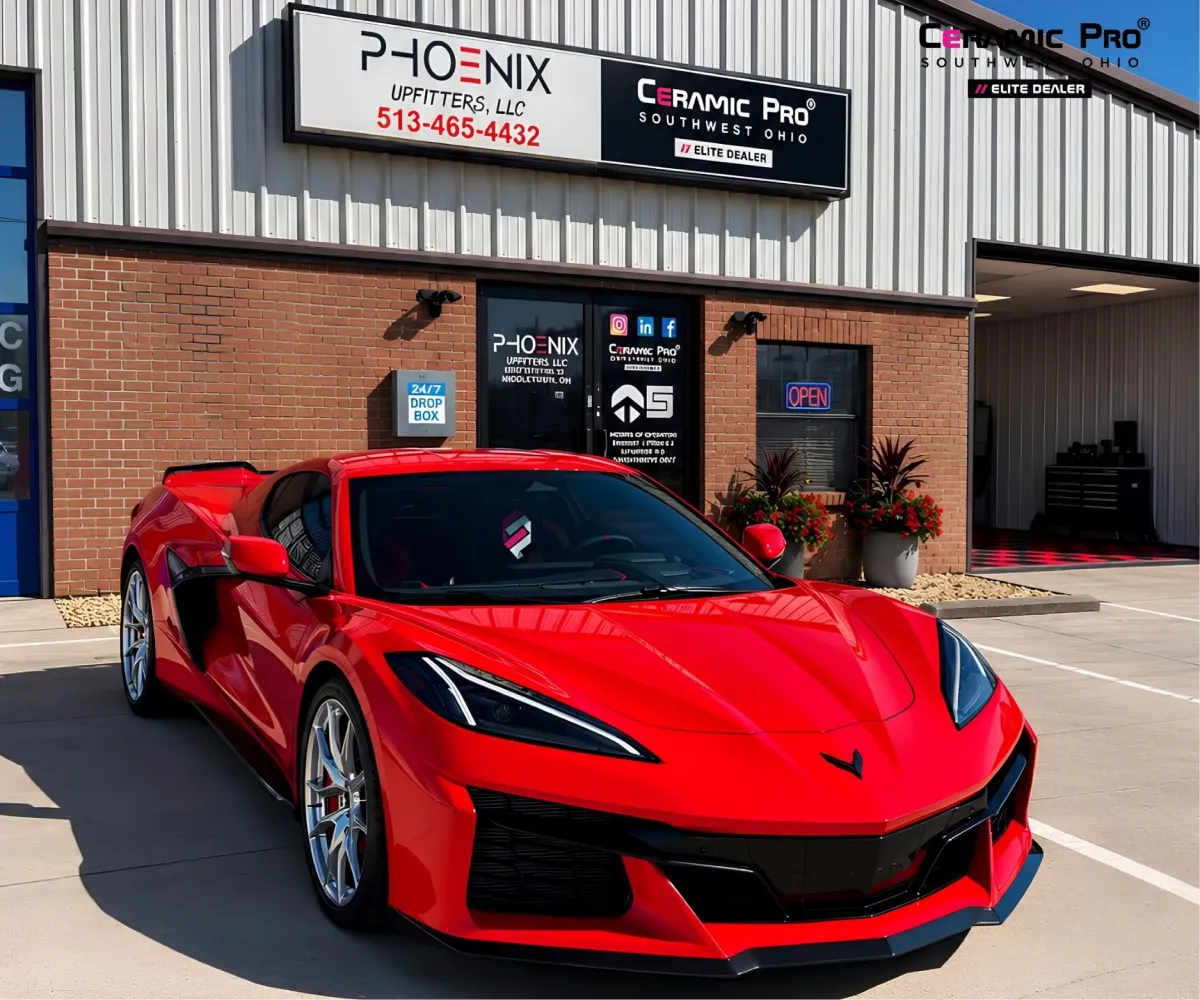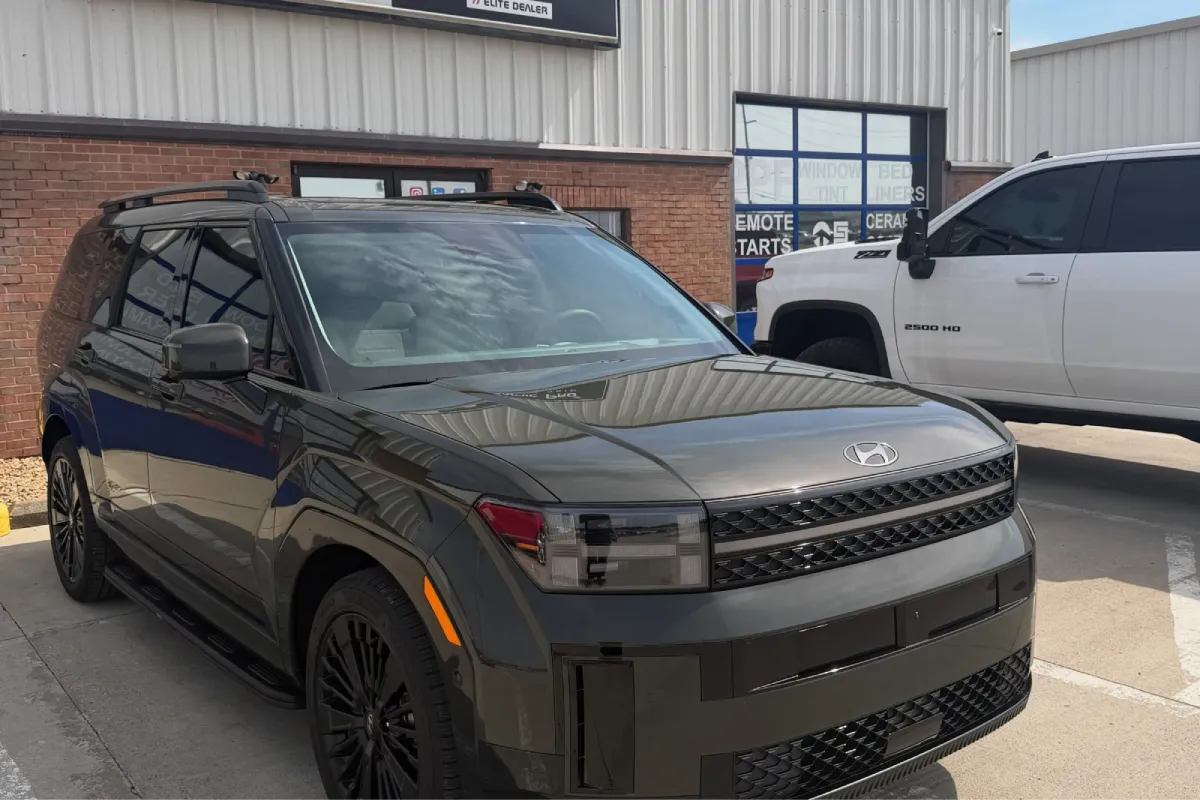

To maintain a ceramic coating’s hydrophobic performance and gloss, wash the vehicle every two weeks using a pH-neutral soap and the two-bucket method. Avoid automated brush washes and harsh chemicals that can degrade the surface, and periodically apply a ceramic booster to rejuvenate the coating’s water-beading properties.
For many car owners, the installation of a ceramic coating is a significant investment in the longevity and aesthetic of their vehicle. This liquid polymer bonds to the factory paint, creating a sacrificial layer of protection that excels at shedding water and resisting UV damage. However, the “set it and forget it” mentality is a trap that leads to premature coating failure. Proper maintenance is the only way to ensure the surface stays slick, reflective, and functional for its intended lifespan.
Understanding the Chemistry of Your Coating
Before diving into the manual labor of washing, it is vital to understand what is happening at a molecular level. A ceramic coating is essentially a layer of Silicon Dioxide (SiO2) or Silicon Carbide (SiC). When applied, it fills the microscopic pores of your vehicle’s clear coat, creating a surface that is much smoother than factory paint.
This smoothness is why water beads and dirt slide off. However, that smoothness is also delicate. While the coating is harder than paint, it can still be “clogged” by road film, industrial fallout, and minerals. When these contaminants sit on the surface, they create a new, rough layer on top of the ceramic. This is why a car might stop beading water even if the coating is still there; the coating isn’t gone; it is simply buried under a layer of grime.
The Gold Standard: The Two-Bucket Wash Method
The primary goal of washing a coated car is to remove dirt without inducing “love marks” or fine swirls. Even though a coating is harder than the factory clear coat, it is not invincible. Physical friction from dirty towels or contaminated water will eventually mar the surface.
Step-by-Step Maintenance Routine
Maintaining a pristine finish requires a disciplined approach. During a recent maintenance session for a client in Middletown, we observed that following a specific order of operations prevents the cross-contamination of grit. This is especially true for those seeking the best results for their car ceramic coating in Middletown, as local road salt and seasonal debris can be particularly abrasive if not handled with care.
- The Wheels First: Always wash wheels and tires first using a separate bucket and brushes. If you wash the body first, brake dust from the wheels can splash onto your clean paint.
- Pre-Rinse: Use high-pressure water to remove as much loose debris as possible. This reduces the amount of work the wash mitt has to do and lowers the risk of dragging a stray pebble across the finish.
- Snow Foam: Apply a thick layer of pH-neutral foam. This encapsulates remaining dirt particles, allowing them to slide off the surface safely. Let it dwell for a few minutes, but do not let it dry.
- The Two-Bucket Technique: One bucket contains your soapy solution, while the second contains clean water for rinsing your mitt. After every pass on the car, rinse the mitt in the plain water bucket to release trapped dirt before dipping it back into the soap.
- Top-Down Wash: Always start at the roof and work your way down. The lower panels of vehicles, especially those driven frequently around Middletown, collect the most road grime and heavy metallic particles. By working top-down, you ensure that gravity doesn’t wash dirt onto sections you’ve already cleaned.
- Touchless Drying: Use a dedicated leaf blower or a high-quality, plush microfiber drying towel. Avoid using old rags or circular motions, as they can cause scratching.
Choosing the Right Products
The chemistry of the products you use is just as important as the technique. Ceramic coatings are chemically sensitive to high-alkaline degreasers and heavy acids. Using the wrong soap can “clog” the coating’s pores, making the surface look dull and causing water to “flat out” rather than bead. When people invest in ceramic coating in Middletown, OH, they often ask if any soap will do; the answer is a firm no if you want the coating to last its full lifespan.
Product Comparison Table
| Product Category | Recommended Frequency | Purpose |
| pH-Neutral Shampoo | Every 1-2 Weeks | Safely removes surface dust without stripping protection. |
| Ceramic Detailer/Booster | Every 2-3 Months | Rejuvenates the SiO2 top layer and restores slickness. |
| Iron Remover | Bi-Annually | Chemically dissolves embedded brake dust and fallout. |
| Specialized Drying Aid | Every Wash | Lubricates the surface during the drying process to prevent marring. |
Debunking the “Indestructible Shield” Myth
One of the most common industry myths is that a ceramic coating is a bulletproof armor that prevents all scratches and stone chips. This is factually incorrect. While a coating increases the surface hardness (often measured at 9H), it is still a microscopic layer.
A coating will not protect your car from a runaway shopping cart or a high-velocity rock on the highway. Furthermore, many believe that because the car is “self-cleaning,” it never needs to be touched. In reality, “self-cleaning” simply means that the surface is so hydrophobic that rainwater can carry away light dust. However, road films and oils will still bond to the surface over time. If these are not washed away, they create a film that masks the coating’s performance.
Many drivers in Middletown find that water spots are their biggest enemy. Because the coating causes water to bead into tight spheres, if those beads dry in the sun, the minerals in the water stay behind. These minerals can etch into the coating if left untreated. For those who have recently received a Middletown ceramic coating, understanding this distinction is the difference between a one-year finish and a five-year finish.
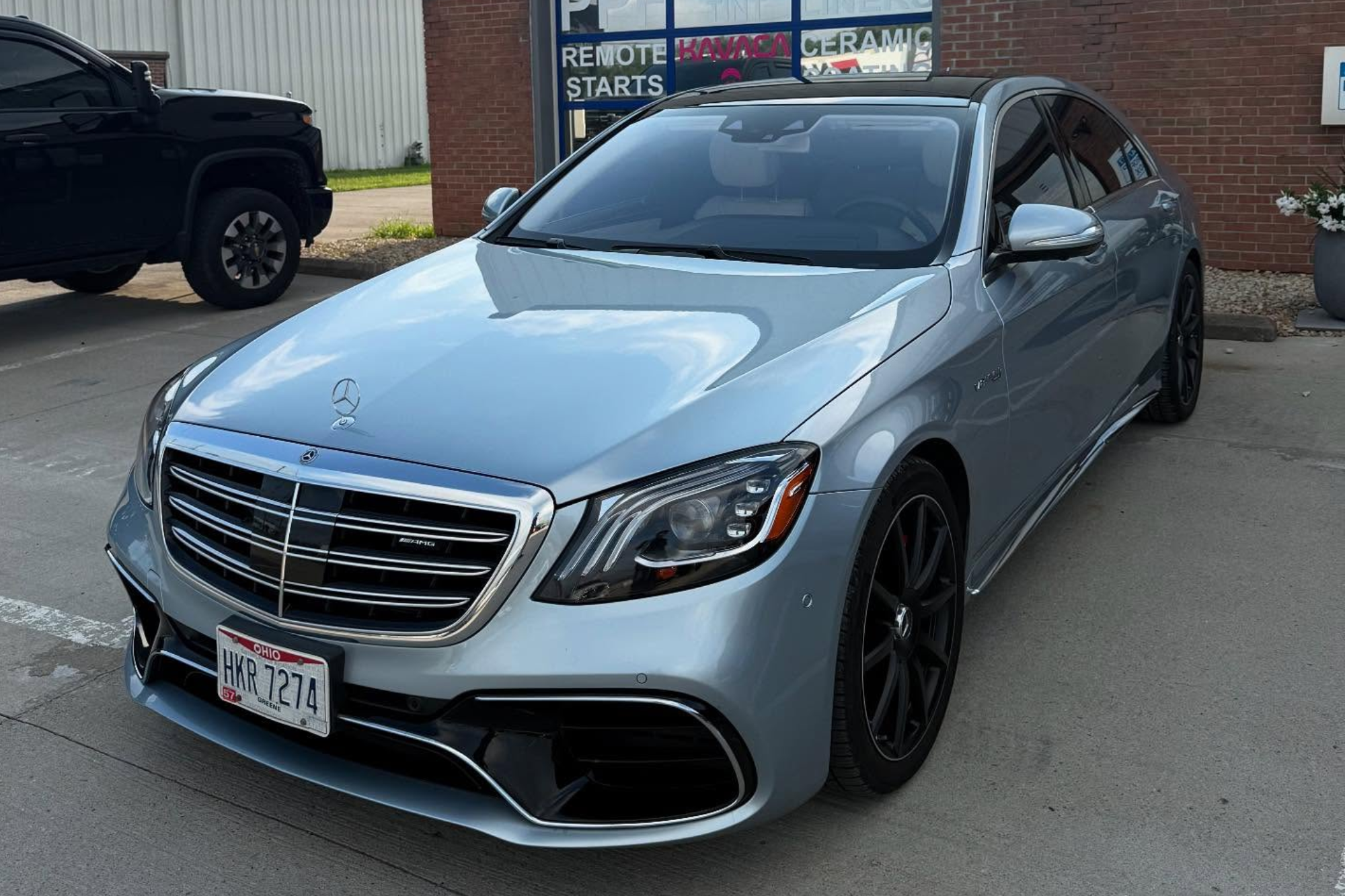
Applying our “Hydro-Flow Logic” to Solve This
At the core of our maintenance philosophy is a proprietary system we call Hydro-Flow Logic. This isn’t just a cleaning step; it is a diagnostic approach to surface tension management.
Hydro-Flow Logic works by analyzing the “contact angle” of water on your vehicle’s panels. When a coating is healthy, water sits at a high angle, forming nearly perfect spheres. Over time, environmental contaminants like industrial fallout, tree sap, and road salt (common during winters in Middletown) settle into the microscopic valleys of the coating. This increases surface tension and causes water to “drag” rather than “flow.”
By applying Hydro-Flow Logic, we use chemical decontamination to “de-clog” the coating. Instead of using an abrasive polish, which would remove the coating entirely, we use specialized surfactants that target the specific bond between the contaminant and the SiO2 layer. This restores the original hydrophobic performance and ensures the gloss remains at its peak without thinning the protective layer. Many looking for a premium Middletown, OH ceramic coating choose us specifically for this technical restoration process.
Managing Seasonal Challenges
The local climate plays a massive role in how your coating performs. In the summer, the primary threat is UV radiation and insect splatter. Bug guts are highly acidic; if left on a coated surface in the heat, they can eventually eat through the ceramic layer. Routine washing prevents this acid from dwelling on the surface.
In the winter, the challenge shifts to road salt and brine. These substances are designed to stick to surfaces. When salt dries on a ceramic coating, it creates a white, crusty film that is highly abrasive. We recommend more frequent high-pressure rinses during the winter months to prevent salt from accumulating in the wheel wells and lower rockers.
Quarterly vs. Annual Maintenance
Longevity is built through consistency. While a bi-weekly wash keeps the car looking good, deeper maintenance is required to reach the full lifespan of the product.
Maintenance Intervals
- Monthly: Perform a standard two-bucket wash. This prevents the buildup of road film that can become difficult to remove if left for months.
- Quarterly: Apply a ceramic-based booster. This acts as a “sacrificial layer.” It takes the brunt of the UV rays and friction, allowing the base coating to remain untouched and fully intact.
- Annually: This is the time for a “reset” wash. This involves an iron decontamination and a deep cleansing of the pores. Many vehicle owners in Middletown schedule this after the winter months to remove the salt and grime that accumulates in the wheel wells and lower rocker panels.
The Importance of Professional Inspection
Even with the best home care, professional eyes can spot issues before they lead to coating failure. A professional can identify if the coating is thinning in high-impact areas or if a specific panel requires a topcoat reapplication. Maintaining a vehicle involves a partnership between the owner’s routine care and the detailer’s technical expertise.
By having a professional inspect the vehicle once a year, you can ensure that the warranty remains valid and that the hydrophobicity is performing at 100%. They have access to industrial-strength decontaminants that are safer and more effective than over-the-counter options.
In Summary
A ceramic coating is the best way to keep your vehicle looking like it just rolled off the showroom floor, but it requires a dedicated maintenance strategy to survive the elements. By using the two-bucket method, avoiding harsh automated washes, and implementing our Hydro-Flow Logic to keep the surface de-clogged, you can enjoy years of unmatched gloss and protection.
The initial application is only the beginning of the journey with Ceramic Pro Southwest OH. To ensure your vehicle remains easy to clean and visually stunning, you must respect the chemistry of the coating. Avoid cheap detergents, stay away from abrasive brushes, and treat the surface with the care it deserves. Consistency is the secret to long-term performance and protection.
To learn more about professional maintenance or to schedule your next service, contact us today.
People Also Ask
Does ceramic coating prevent water spots?
No, it does not. In fact, because it causes water to bead, it can actually encourage water spotting if the beads are allowed to evaporate in direct sunlight. Always dry your vehicle thoroughly.
Can I take my coated car through a car wash?
You should never use a “soft touch” or brush-based automated car wash. The brushes are often contaminated with grit from the previous vehicle, which will scratch your coating. If you must use an automated wash, choose a “touchless” option, though be aware that the chemicals used there may shorten the coating’s lifespan.
How do I know if my coating is still working?
The easiest test is the water test. If water sheets off the car or forms tight, round beads that roll off with a slight tilt, the coating is active. If the water “flattens out” or sticks to the surface, the coating is likely clogged with dirt or has worn away.
Can I wax over a ceramic coating?
It is generally not recommended to use traditional carnauba waxes over a coating. The wax will mask the hydrophobic properties of the ceramic and can actually attract more dust and heat. Stick to SiO2-based ceramic toppers.