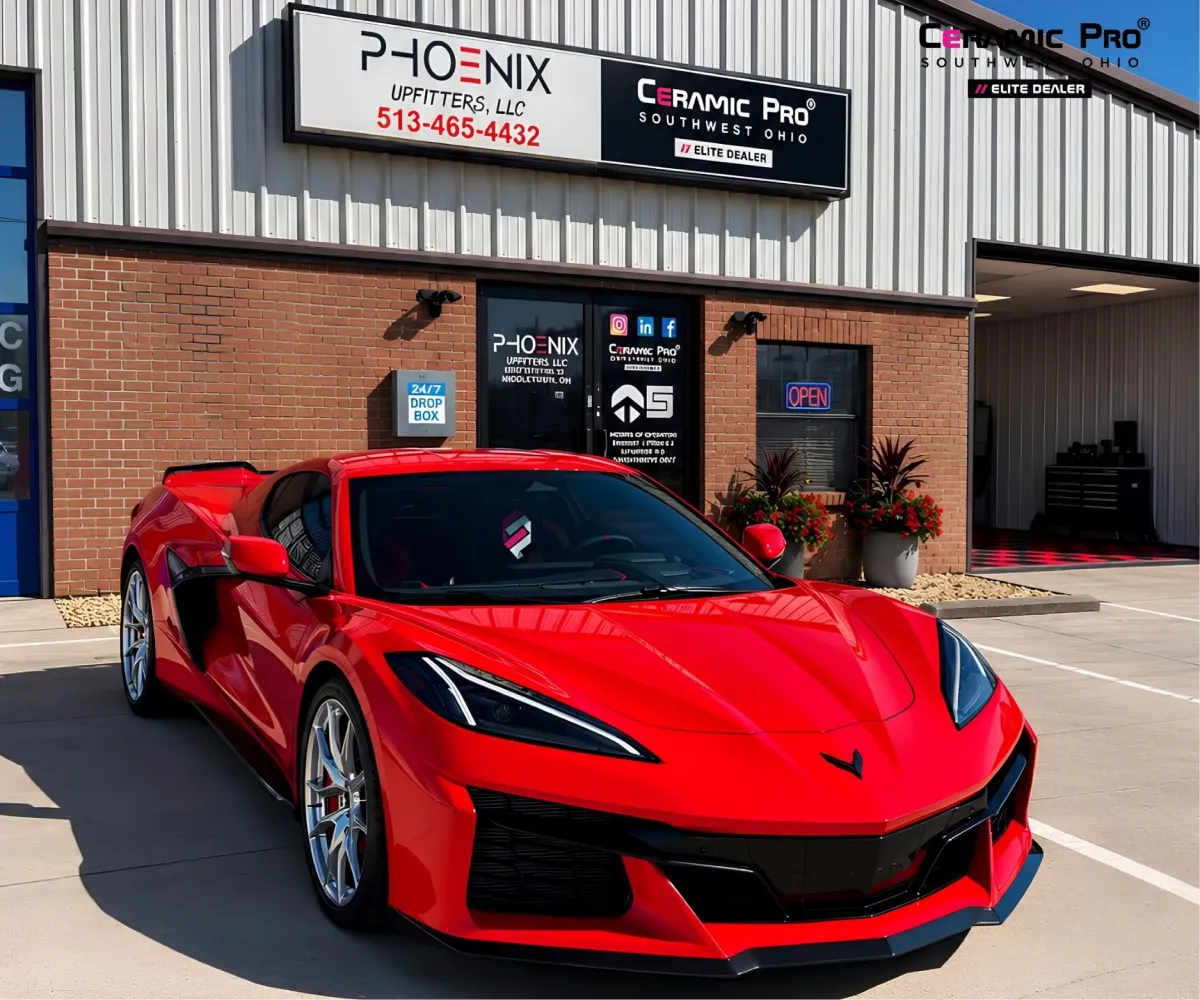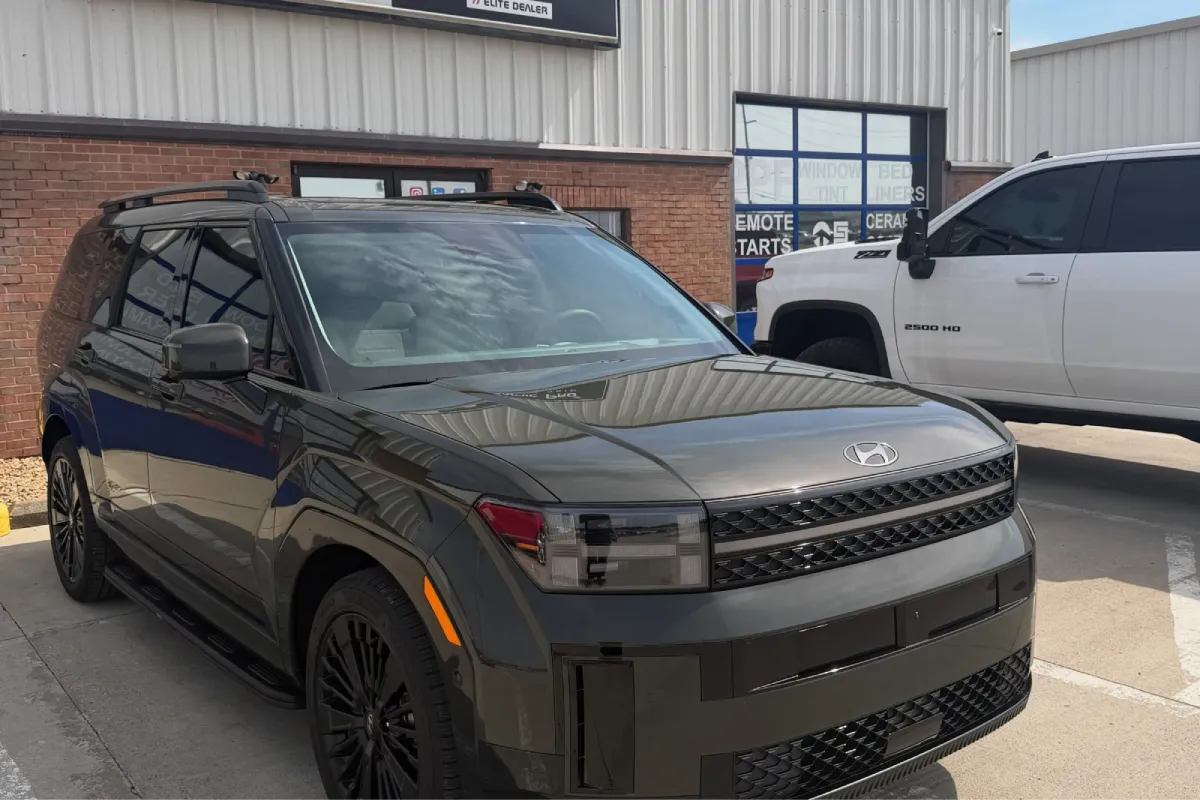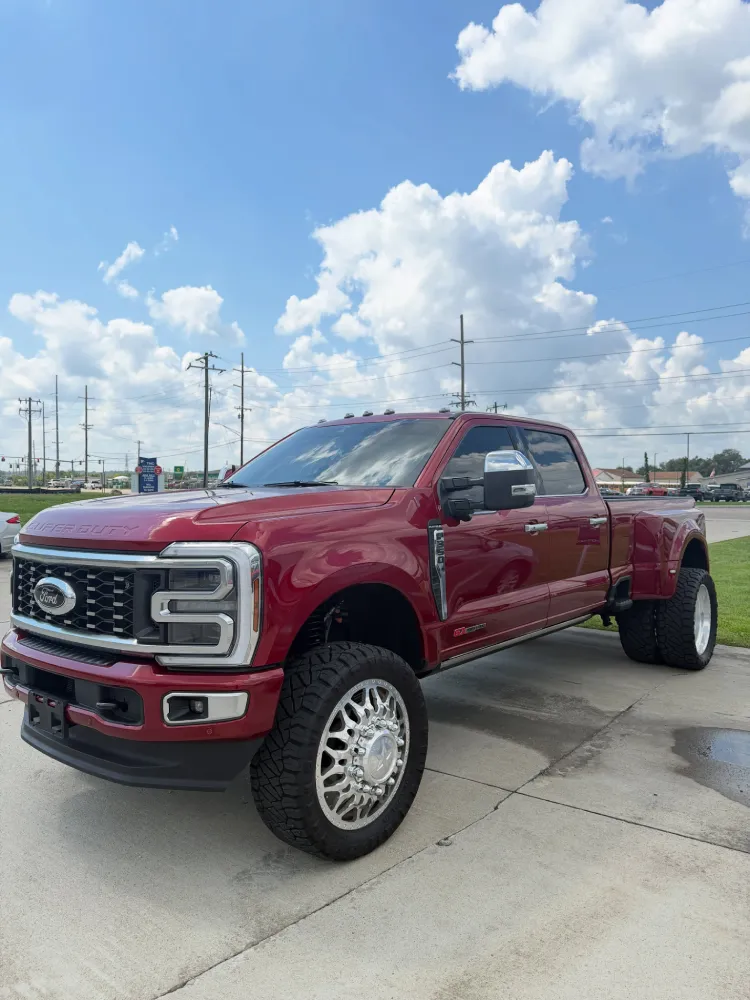

Luxury and complex-shaped vehicles cost more to wrap because they require more installation time, greater material usage, and advanced techniques to achieve a flawless finish. Features such as aggressive body lines, recessed panels, custom trim, and integrated technology increase both labor requirements and installation complexity compared to standard vehicles.
For owners considering a vehicle wrap, understanding these factors can help explain pricing differences and ensure you compare estimates based on the actual scope of work rather than the vehicle badge alone.
The Main Factors That Increase Vehicle Wrap Costs
Professional wrap pricing is based on measurable factors, including labor, materials, vehicle complexity, and installation risk. While larger vehicles often cost more to wrap, shape and design complexity frequently have a greater impact on the final price.
Complex Body Designs Require More Precision
Modern luxury vehicles are designed with distinctive styling features that create unique installation challenges.
Examples include:
- Sharp body creases
- Deep contours
- Sculpted bumpers
- Integrated spoilers
- Wide fender flares
- Multi-piece aerodynamic packages
Unlike flat panels found on many standard vehicles, these surfaces require installers to carefully stretch and position vinyl film while maintaining consistent tension. Too much stretching can compromise durability, while too little can result in lifting or visible imperfections.
From an installation standpoint, a heavily sculpted front bumper may take as long to wrap as multiple flat body panels on a conventional sedan.
More Material Is Required
Vehicle wraps are not installed using a one-size-fits-all approach. Complex surfaces require additional material to ensure proper coverage and allow installers to work around difficult contours.
Extra material may be needed to:
- Reduce visible seams
- Accommodate body curves
- Improve positioning flexibility
- Replace overstretched sections
- Achieve cleaner edge finishing
Even vehicles with similar dimensions may require different amounts of vinyl depending on their design.
Installation Labor Increases Significantly
Labor is often the largest component of a vehicle wrap project.
A professional installation typically includes:
- Vehicle inspection
- Surface preparation
- Paint decontamination
- Trim removal
- Vinyl installation
- Edge finishing
- Post-heating
- Final inspection
Luxury and specialty vehicles often require more extensive disassembly to access hidden edges and create a seamless appearance. This additional labor directly affects pricing.
Advanced Technology Adds Complexity
Many modern vehicles contain components that require careful handling during installation.
Examples include:
- Parking sensors
- Camera systems
- Radar units
- Advanced driver assistance systems
- Flush door handles
- Charging ports
Professional installers must work around these components without affecting their operation or appearance.
Comparison Table: Standard Vehicles vs. Luxury Vehicles
| Factor | Standard Vehicle | Luxury or Complex Vehicle |
| Surface Complexity | Low to Moderate | High |
| Material Usage | Standard | Increased |
| Labor Hours | Moderate | Significantly Higher |
| Trim Removal | Minimal | Extensive |
| Installation Difficulty | Moderate | Advanced |
| Quality Control Requirements | Standard | Multi-Stage |
| Overall Cost Impact | Lower | Higher |
This comparison illustrates why vehicle complexity often plays a larger role in pricing than vehicle size alone.
Vehicle Features That Commonly Increase Wrap Pricing
Definitions of Common Specifications
Deep Body Contours
: Recessed or highly sculpted areas requiring advanced installation techniques and careful heat management.
Carbon Fiber Components
: Lightweight performance materials that often feature complex shapes and intricate finishing requirements.
Integrated Sensors
: Electronic systems built into bumpers, mirrors, and body panels that require additional care during installation.
Custom Aero Packages
: Splitters, diffusers, spoilers, and side skirts designed to improve aerodynamics while increasing installation complexity.
Flush Door Handles
: Retractable handles that create additional cutting and finishing challenges.
Complex Lighting Assemblies
: Intricately shaped lighting systems that require precise trimming and edge wrapping.
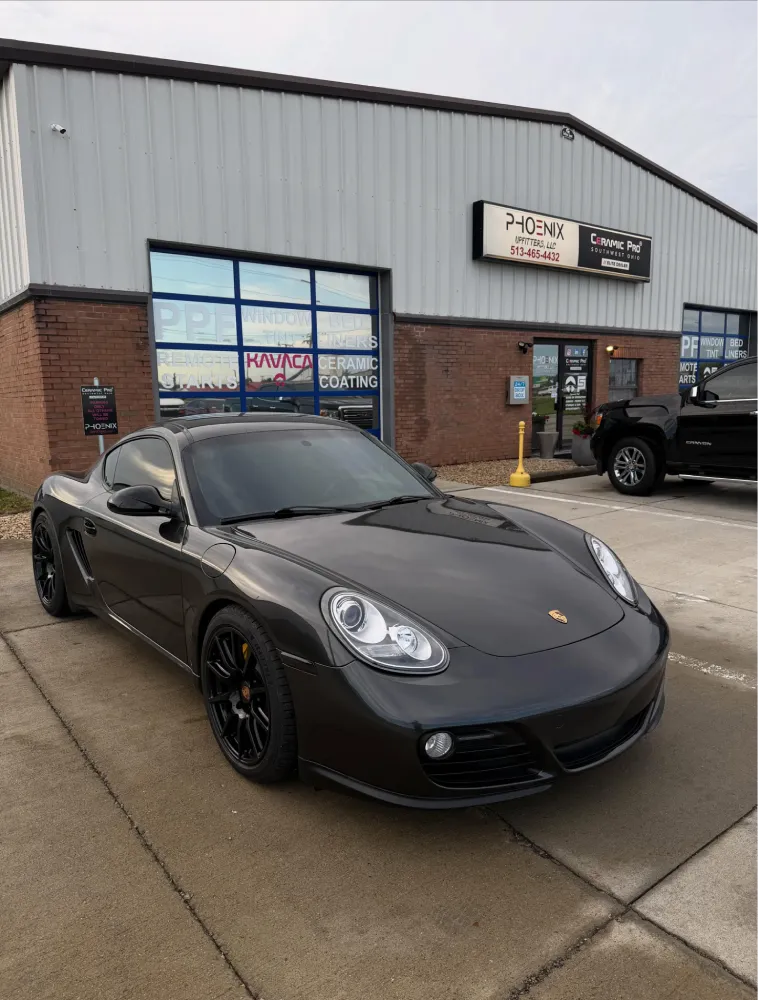
Applying Our PrecisionWrap™ Methodology to Solve This
At Ceramic Pro South West OH, every wrap project begins with a detailed assessment designed to identify installation challenges before work begins.
What Is PrecisionWrap™?
PrecisionWrap™ is our structured process for planning and installing vehicle wraps.
The methodology focuses on:
- Vehicle evaluation
- Surface preparation
- Material planning
- Precision installation
- Post-heating procedures
- Quality assurance inspections
By following a standardized process, we help improve consistency and reduce common installation issues.
How PrecisionWrap™ Improves Results
This approach allows our team to:
- Minimize material waste
- Improve installation efficiency
- Deliver cleaner edges
- Increase wrap longevity
- Maintain consistent quality standards
During a recent consultation involving a vehicle owner in Hyde Park, careful pre-installation planning revealed several complex body features that required specialized installation strategies.
Similarly, a project for a customer in Over-the-Rhine highlighted how aftermarket aerodynamic components can significantly increase installation time and material requirements.
Another vehicle owner in Mount Adams requested a wrap for a performance vehicle with multiple custom trim elements, demonstrating how preparation directly affects the final result.
Why Vehicle Owners Choose Ceramic Pro South West OH
Choosing the right installer is just as important as choosing the wrap material itself.
Ceramic Pro South West OH specializes in professional vehicle protection and customization solutions with a strong emphasis on preparation, installation quality, and long-term durability.
Our team focuses on:
- Thorough surface preparation
- Precision installation techniques
- Attention to edge finishing
- Quality-control inspections
- Professional customer guidance
Many customers researching car wraps in Cincinnati providers discover that installer experience often has a greater impact on long-term satisfaction than initial pricing alone.
Whether wrapping a daily driver, luxury SUV, sports car, or specialty vehicle, the goal is always the same: achieve a clean, durable, and professional finish.
Common Industry Myth Debunked
Myth: Luxury Vehicles Cost More to Wrap Simply Because Owners Can Afford It
This misconception is widespread but inaccurate.
Professional wrap pricing is based on factors such as:
- Labor requirements
- Material consumption
- Vehicle complexity
- Trim removal
- Installation risk
- Quality-control standards
A highly contoured performance vehicle may require substantially more labor than a standard sedan, regardless of the owner’s budget.
This is one reason why consumers comparing Cincinnati car wraps estimates often notice significant price differences between vehicles that appear similar in size.
How Professionals Estimate Vehicle Wrap Costs
Professional installers evaluate each vehicle individually before providing a quote.
Standard Evaluation Process
- Measure vehicle dimensions
- Assess body-panel complexity
- Identify trim-removal requirements
- Select vinyl materials
- Determine installation difficulty
- Estimate labor hours
- Calculate material usage
When evaluating Cincinnati, OH, car wraps pricing, experienced installers assess both size and design complexity rather than relying solely on vehicle classification.
Questions to Ask Before Choosing a Vehicle Wrap Installer
Before committing to a wrap project, consider asking:
- How much experience do you have with luxury vehicles?
- What wrap materials do you use?
- Do you offer a workmanship warranty?
- What preparation process do you follow?
- How do you handle complex body contours?
- What maintenance recommendations do you provide?
These questions can help you compare installers based on quality and expertise rather than price alone.
In Summary
Luxury and complex-shaped vehicles cost more to wrap because they require additional labor, increased material usage, advanced installation techniques, and greater attention to detail. Vehicle design complexity, not simply the brand name, is typically the biggest factor influencing project cost.
If you are exploring car wrap options in Cincinnati, OH, and want a clear understanding of what your vehicle requires, Ceramic Pro Southwest OH can provide a detailed consultation and explain the factors that influence pricing.
Ready to transform your vehicle? Contact us today to schedule a professional wrap consultation and receive a customized estimate tailored to your vehicle.
People Also Ask
Why are luxury vehicles more expensive to wrap?
Luxury vehicles often feature more complex body designs, advanced technology, and intricate trim components that increase installation time and material requirements.
Does vehicle shape affect wrap pricing?
Yes. Deep contours, aggressive body lines, and custom aerodynamic components increase installation difficulty and labor hours.
Do larger vehicles always cost more to wrap?
Not necessarily. While larger vehicles require more material, body complexity often has a greater impact on overall pricing.
How long does it take to wrap a luxury vehicle?
Most luxury vehicle wraps take several days to complete due to the preparation, installation, finishing, and inspection requirements.
Is wrapping a luxury vehicle worth it?
Many owners choose vehicle wraps for customization, paint preservation, and the ability to change appearance without permanent modifications.
Can complex body panels affect wrap durability?
When installed correctly, wraps can perform exceptionally well on complex surfaces. Proper preparation, installation, and post-heating are critical to long-term durability.