
Improper wash techniques during car detailing cause swirl marks and long-term clear coat damage when dirt, grit, and road contaminants are dragged across the paint surface during washing or drying. These particles act as abrasives, creating microscopic scratches in the clear coat. Over time, repeated exposure builds visible swirl patterns, reduces gloss, and weakens the paint’s protective layer.
Most swirl marks are not caused by driving conditions but by routine maintenance mistakes such as poor washing methods, contaminated wash tools, and improper drying. With correct technique and proper materials, nearly all wash-induced paint damage is preventable.
What Are Swirl Marks and Clear Coat Damage?
Swirl marks are fine, circular scratches that become visible under sunlight or bright lighting. They often resemble spiderweb patterns on the paint surface. Although they may appear minor at first, they are a direct sign that the clear coat has been physically abraded.
The clear coat is the transparent outermost layer of automotive paint. Its primary role is to protect the colored base coat from UV rays, oxidation, moisture, and environmental contaminants. When this layer becomes damaged, the underlying paint loses protection and begins to degrade more quickly.
Key Paint Defect Terms
Swirl Marks
Microscopic circular scratches caused by friction during washing or drying.
Clear Coat
Transparent protective layer that shields automotive paint from environmental damage.
Micro-Marring
Very fine scratches that reduce gloss and clarity, often visible under inspection lighting.
Paint Correction
A controlled polishing process used to remove surface defects and restore clarity.
How Improper Washing Techniques Create Paint Damage
Swirl marks do not appear randomly. In Middletown, OH, car detailing contexts, they are created through repeated mechanical abrasion during improper washing and drying techniques, gradually damaging the clear coat over time.
Dirt and Contaminants Act Like Abrasives
Every vehicle accumulates road film, dust, brake particles, pollen, and airborne pollutants. When these contaminants are not properly rinsed away, they become abrasive particles trapped between the wash mitt and the paint surface.
Instead of lifting dirt away safely, the wash process drags it across the clear coat, creating micro-scratches.
Friction Is the Root Cause of Swirl Marks
The most damaging factor in improper washing is uncontrolled friction. This typically comes from:
- Applying too much pressure during washing
- Using dirty or reused wash mitts
- Dry wiping dusty panels
- Circular scrubbing motions
Each of these increases the likelihood of scratching the clear coat.
Damage Accumulates Gradually
A single improper wash may not show visible damage. However, repeated exposure leads to:
- Loss of gloss and depth
- Dull or hazy appearance
- Swirl patterns under sunlight
- Reduced paint reflectivity
Over time, the accumulation of micro-scratches becomes clearly visible even without direct lighting.
Proper vs Improper Wash Technique Comparison
| Category | Proper Method | Improper Method |
| Pre-wash | Foam rinse removes loose dirt | Skipped or rushed |
| Wash system | Two-bucket method | Single bucket reuse |
| Wash media | Clean microfiber mitt | Sponge or household towel |
| Drying method | Dedicated microfiber towels | Bath towels or air drying |
| Pressure | Light and controlled | Heavy scrubbing |
| Result | Maintains paint clarity | Causes swirl marks |
Long-Term Effects on Clear Coat Integrity
Clear coat damage develops slowly, often going unnoticed until it becomes visually obvious.
Gradual Loss of Protective Thickness
Every improper wash removes a microscopic amount of clear coat. While this is not noticeable immediately, years of improper maintenance significantly reduce paint protection.
Increased UV and Environmental Exposure
Once the clear coat weakens, UV rays penetrate more easily, accelerating oxidation and fading.
Reduced Gloss and Optical Clarity
The surface becomes uneven at a microscopic level, which distorts light reflection and reduces shine.
Higher Risk of Permanent Damage
Once clear coat thickness is reduced beyond a safe level, polishing alone may no longer restore the finish.
Common Detailing Mistakes That Cause Swirl Marks
Many swirl marks come from routine maintenance habits rather than extreme neglect.
Using Household Cleaning Products
Dish soaps and multi-purpose cleaners strip protective layers and reduce lubrication, increasing friction during washing.
Washing in Direct Sunlight
Heat causes soap and water to dry too quickly, leaving residue and increasing the likelihood of water spotting and streaking.
Using Dirty Towels or Mitts
Contaminated materials reintroduce abrasive particles back onto the paint surface.
Skipping the Pre-Rinse Stage
Failing to remove loose debris allows contaminants to remain on the surface during contact washing.
Automatic Brush Car Washes
Brush systems often trap dirt from previous vehicles, which is then dragged onto new surfaces, increasing the risk of swirl.
Why Swirl Marks Are a Structural Paint Issue, Not Just Cosmetic
Many vehicle owners seeking Middletown car detailing services assume swirl marks are only visible defects. In reality, they represent actual physical damage to the clear coat.
Each scratch reduces surface uniformity and weakens the protective barrier. Over time, this leads to:
- Increased contamination bonding
- Faster oxidation
- Reduced paint longevity
- More frequent correction needs
What appears cosmetic on the surface is often an early indicator of deeper paint degradation.
Applying a Professional Paint Protection Process
At Ceramic Pro South West OH, paint care is approached as a structured system designed to minimize long-term damage rather than react to it after it occurs.
Step 1: Paint Evaluation
Vehicles are inspected under controlled lighting to identify swirl marks, micro-marring, and contamination buildup.
Step 2: Decontamination Process
Iron removal and chemical decontamination eliminate embedded contaminants before washing begins.
Step 3: Safe Contact Washing
A two-bucket system is used to prevent dirt from being reintroduced onto paint surfaces.
Step 4: Controlled Drying
Only clean microfiber drying towels are used to minimize friction during moisture removal.
Step 5: Protective Layer Application
Ceramic coatings or sealants are applied to reduce contamination bonding and improve wash safety.
Real-World Detailing Observations
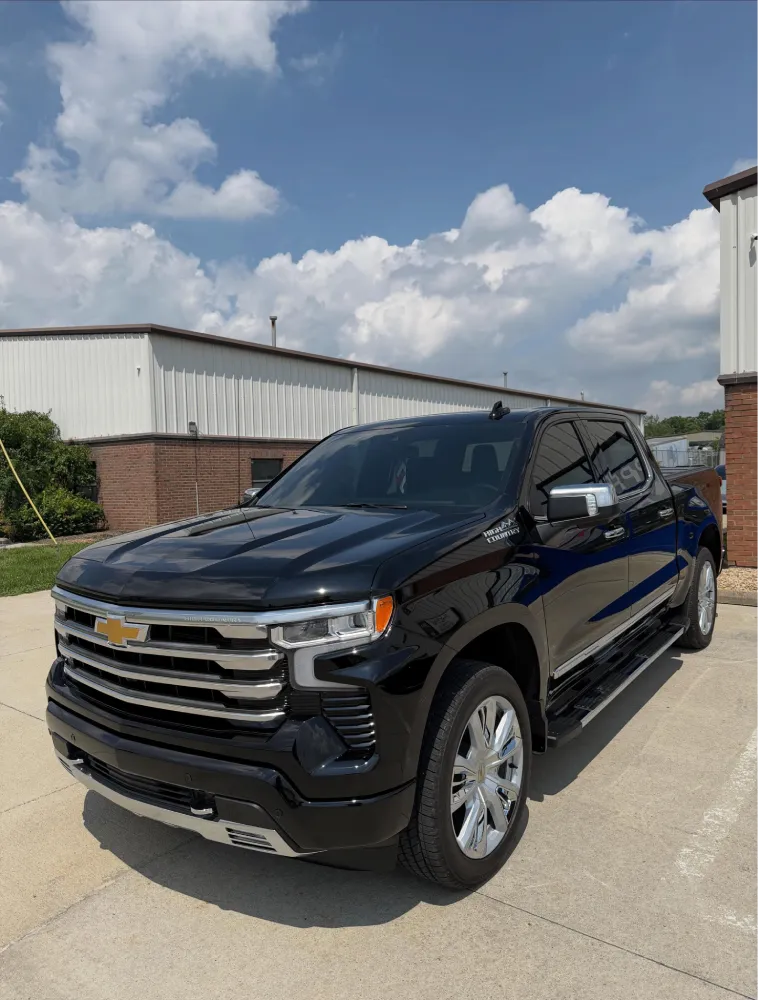
In real inspections, swirl marks are frequently found on vehicles that appear clean at first glance. Under inspection lighting, however, patterns of micro-marring become clearly visible.
During evaluations involving car detailing in Middletown, Ohio, one of the most consistent findings is that improper washing technique, not environmental exposure, is the primary cause of swirl formation.
This pattern appears across daily-driven vehicles, including newer models that have never been repainted or had bodywork.
Understanding Owner Behavior and Maintenance Habits
Vehicle owners seeking car detailing in Middletown usually fall into two groups: those addressing visible paint damage, such as swirl marks and dullness, and those aiming to preserve a new or recently corrected finish.
In both cases, results depend less on how often a car is washed and more on how it’s washed. Poor technique can gradually damage paint even with regular cleaning.
A key difference between car detailing services is their approach: some focus on fast, high-volume washing, while others use slower, paint-safe methods designed to reduce wear and maintain long-term finish quality.
Preventing Swirl Marks: Practical Maintenance Guide
Swirl marks form when dirt and grit are dragged across the paint surface during washing or drying. Preventing them requires controlled, repeatable technique rather than aggressive or rushed cleaning.
Professional Prevention Checklist
- Always rinse thoroughly before touching paint
- Use microfiber wash mitts only
- Follow a two-bucket wash system
- Wash in straight-line motions
- Dry using clean microfiber towels
- Avoid reusing contaminated materials
- Do not use brush-based automatic washes
- Apply protective coatings for long-term defense
Consistency matters more than frequency. Proper technique prevents damage even with regular washing, while poor technique will continue to degrade the finish regardless of how often the vehicle is cleaned.
Long-Term Paint Protection Starts With Proper Technique
Swirl marks and clear coat damage are not random defects; they are the direct result of improper washing and drying habits over time. While they may begin as microscopic scratches, they gradually accumulate into visible damage that reduces gloss, weakens protection, and shortens paint life.
With proper washing methods, tools, and long-term protective strategies, most of this damage can be avoided entirely, as emphasized by providers like Ceramic Pro Southwest OH, which focus on preserving paint integrity through controlled, paint-safe maintenance approaches.
For expert evaluation, paint correction, and protection solutions, contact us today for professional guidance tailored to your vehicle’s condition and maintenance needs.
Frequently Asked Questions
Are swirl marks permanent?
Light swirl marks can often be removed through machine polishing. Deep scratches that penetrate too far into the clear coat may be permanent.
Does clear coat regenerate?
No. Once the clear coat is removed or significantly thinned, it cannot regenerate naturally.
Do ceramic coatings prevent swirl marks?
They reduce the likelihood of light swirl formation but do not make paint scratch-proof.
How often should a vehicle be professionally detailed?
Most vehicles benefit from professional detailing every 4–6 months, depending on driving conditions and maintenance habits.