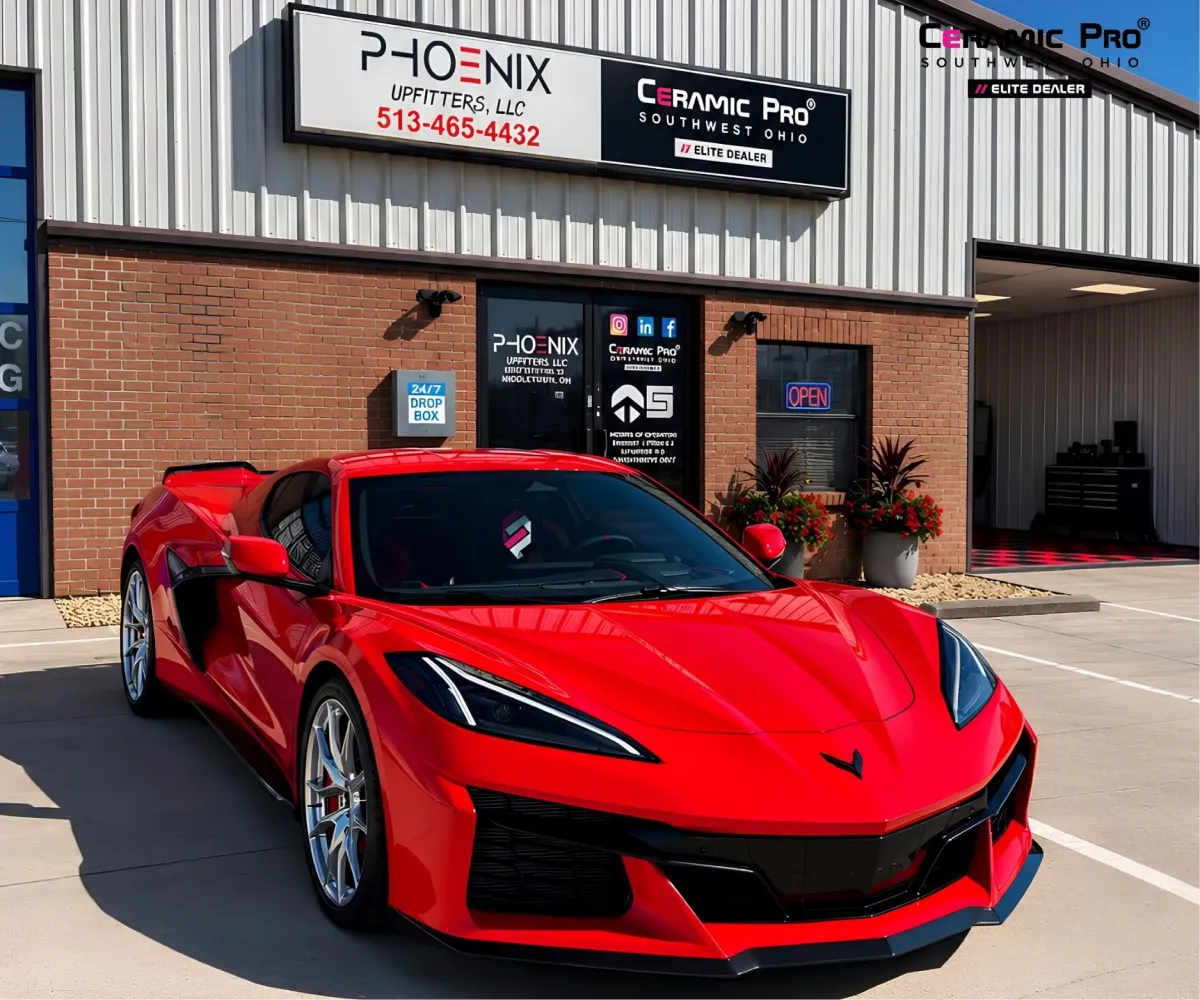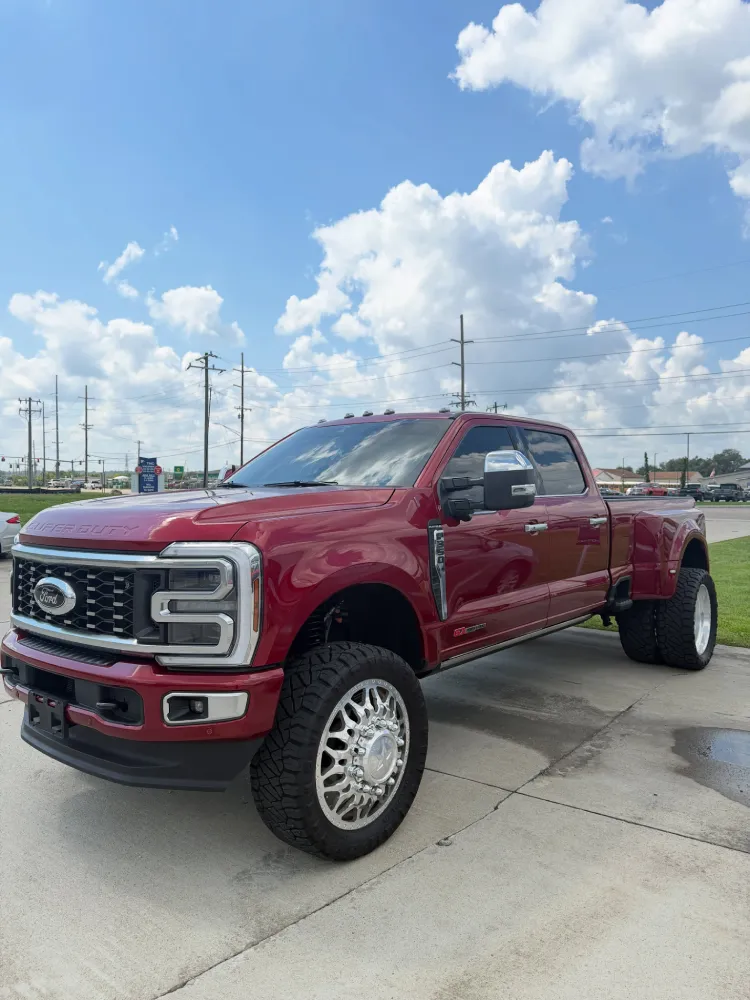

Your car’s paint looks dull because of oxidation, microscopic scratches, and bonded contaminants that scatter light rather than reflect it. While ceramic coating cannot “repair” damaged paint on its own, it acts as a permanent high-gloss layer that, when applied after a professional polishing process, restores a deep shine and prevents future fading. This combination of surface leveling and protective sealing is the gold standard for automotive aesthetics.
The Science of Surface Reflection
To understand why a vehicle loses its luster, you have to look at the paint under a microscope. When a car is brand new, the clear coat is perfectly level. Imagine a sheet of glass resting on a black table. Light hits the surface and bounces back in a straight line, which the human eye perceives as a “mirror” finish with deep, rich color. This is known as specular reflection.
Over time, that level surface becomes jagged. Environmental exposure, improper washing, and industrial debris create “peaks and valleys” in the clear coat. When light hits these irregularities, it bounces off in multiple directions, a phenomenon known as diffused reflection. This diffusion is exactly what makes your car look cloudy, hazy, or flat. High-quality ceramic coating in Middletown provides a solution by filling these microscopic pores with a glass-like liquid polymer, but only after the surface has been mechanically leveled.
Factors That Kill Your Car’s Shine
The degradation of a vehicle’s finish is rarely caused by a single event. Instead, it is a slow accumulation of damage that eventually crosses a threshold where the car no longer looks “clean,” even after a wash.
| Factor | What It Does | Visual Result |
| Oxidation | Heat and oxygen break down paint polymers. | Chalky, white, or faded appearance. |
| Micro-Marring | Small scratches from improper washing. | “Spiderwebs” or swirl marks are visible in sunlight. |
| Chemical Etching | Acidic substances, like bird droppings, eat into the clear coat. | Dull spots or permanent “water marks.” |
| Industrial Fallout | Metallic dust from brakes and rails bonds to the surface. | A rough texture that kills light reflection. |
| UV Degradation | High-energy radiation breaks molecular bonds. | Yellowing or premature clear coat failure. |
The Role of Professional Restoration
Many people believe that simply pouring a bottled product onto dull paint will bring back the shine. This is one of the most common mistakes in automotive care. Applying a coating over dull paint is like putting a glass case over a dusty statue—you’re just preserving the mess. The liquid polymer is optically clear, meaning it will highlight every flaw, scratch, and dull spot underneath it.
The real “fix” for dullness is a process called paint correction. During this stage, a technician uses specialized polishing compounds and machine polishers to gently shave away a microscopic layer of the damaged clear coat. We are talking about microns of material—just enough to remove the scratches and oxidation that cause light diffusion.
Once the paint is level again, the color’s “depth” returns. The reds look redder, and the blacks look like a deep pool of ink. When seeking out a professional ceramic coating in Middletown, OH, ensure they include this correction step. Without it, the coating is merely a sealant for a damaged surface.
How Ceramic Technology Protects the Finish
Once the paint has been restored to its peak clarity, it is at its most vulnerable. The pores of the paint are open, and there is no wax or sealant protecting it from the elements. This is where ceramic technology changes the game. Unlike traditional waxes or paint sealants that sit on top of the paint and melt away under high heat, a ceramic coating is a liquid polymer, typically silicon Dioxide, that chemically bonds with the factory finish.
Benefits of the Chemical Bond
- Increased Hardness: The coating cures into a hard, glass-like layer. While it isn’t “scratch-proof,” it creates a surface that is much more resistant to the fine marring that causes dullness over time.
- Hydrophobic Properties: This is the most famous feature of ceramic technology. The surface becomes so smooth that water, mud, and grime cannot find a foothold. Instead of sticking, they bead up and slide off.
- Chemical Resistance: From bird droppings to road salt, a ceramic layer prevents acidic substances from reaching the actual paint. This stops etching before it starts.
- UV Protection: It acts as a permanent sunblock for your car. By reflecting UV radiation, it prevents the chemical reaction known as oxidation that leads to a chalky finish.
By investing in a Middletown, OH ceramic coating, you are essentially adding a second layer of clear coat that is harder and more durable than the original factory paint.
Applying This to Solve the Problem
If you are tired of looking at a lackluster vehicle, solving the problem requires a systematic approach. You cannot skip steps if you want a result that lasts for years rather than weeks. The process is as much about chemistry as it is about physical labor.
Step 1: Deep Chemical Decontamination
The first step is removing what the eyes cannot see. Industrial fallout, tiny metal particles from brake pads and railroad tracks, embed themselves into the paint. If you polish over these, you will drag them across the surface, causing more damage. A specialized iron remover is used to chemically dissolve these particles.
Step 2: Mechanical Cleaning (The Clay Bar)
Even after a chemical bath, some contaminants remain stuck. A clay bar is used to physically remove these bits from the paint. After this step, the paint should feel as smooth as a computer screen.
Step 3: Multi-Stage Abrasive Leveling
This is the “fix.” A machine polisher is used with various pads and compounds. The goal is to remove the “spiderwebs” and oxidation. This step is repeated until the paint is completely clear under high-intensity lighting.
Step 4: Solvent Wipe and Sealing
Before the coating is applied, the paint must be stripped of all polishing oils. A final solvent wipe ensures the surface is “naked.” Only then is the liquid ceramic applied. This specialized Middletown ceramic coating application fills the remaining microscopic pores, creating a surface so smooth that light reflects with maximum intensity.
Debunking the Scratch-Proof Myth
One of the most persistent myths in the automotive industry is that once you have a ceramic coating, your car is “scratch-proof.” This is simply not true, and believing it can lead to the very dullness you are trying to avoid. While a coating is significantly harder than your car’s original clear coat, it is not an indestructible shield.
A ceramic coating is designed to be a “sacrificial” layer. It takes the brunt of the environmental wear so your paint doesn’t have to. However, if you take a coated car through a low-quality automatic car wash with heavy, spinning brushes, the friction and the dirt trapped in those brushes will still create swirl marks.
The coating makes the paint more resistant to damage and much easier to clean, but it still requires proper maintenance. The idea that you can “set it and forget it” without ever washing the car again is a misconception that leaves many owners disappointed with their long-term results. The benefit is that when you do wash it, the dirt comes off with 90% less effort, and the risk of scratching is greatly reduced.
Maintaining the Shine in a Local Climate
The weather patterns can be harsh on any vehicle. To ensure your finish keeps its luster, you must move away from old-school cleaning habits. Harsh dish soaps or “wash and wax” products from a grocery store can actually degrade a coating’s hydrophobic properties.
To maintain that “just-coated” look:
- Use the Two-Bucket Method: One bucket for soapy water and one for clean water to rinse your wash mitt. This prevents you from rubbing dirt back onto the paint.
- Avoid High-pH Soaps: Use pH-neutral automotive shampoos designed for ceramic surfaces.
- Use a Dedicated Maintenance Spray: Every few months, applying a ceramic “booster” will help rejuvenate the top layer of the coating, ensuring the water beading remains intense.
Proper care ensures that the light continues to reflect perfectly off that leveled surface for the entire lifespan of the product, preventing the return of that “dull” look.
In Summary
Dull paint is not a permanent death sentence for your vehicle’s aesthetic. It is simply a sign that the surface has become uneven due to the harsh realities of the road, the sun, and the elements. By combining professional paint correction to “fix” the damage with a high-quality ceramic coating to “lock in” the results, you can achieve a level of gloss that often exceeds the car’s appearance when it left the showroom.
The beauty of ceramic technology is its ability to stop the clock. At Ceramic Pro Southwest OH, once a surface is corrected and sealed, the degradation process slows down significantly. If you want a finish that stays vibrant through the seasons and retains its resale value, the combination of restoration and long-term protection is the only proven solution. Contact us today to protect your investment!
People Also Ask
Does ceramic coating hide existing scratches?
No. Ceramic coatings are optically clear and very thin. Because they enhance the underlying surface, they can actually make deep scratches or rock chips more visible by increasing the surrounding gloss. This is why paint correction is an absolute requirement before applying any long-term coating.
How long does the restoration process take?
Restoring dull paint is a labor-intensive process. Depending on the size of the vehicle and the severity of oxidation, the decontamination, multi-stage polishing, and coating application usually takes one to three days. This allows for proper cure times and ensures the surface is perfectly prepared.
Can I apply ceramic coating myself?
While consumer-grade “ceramic waxes” or DIY kits exist, they do not offer the same chemical bond or longevity as professional-grade coatings. Furthermore, achieving a “fix” for dull paint requires professional-grade machine polishers and the skill to use them without burning through the clear coat.
Will this prevent rock chips?
No. Ceramic coatings are designed to protect against chemical damage, UV rays, and light surface marring. They are not thick enough to absorb the impact of a stone at highway speeds. For protection against physical impacts, a dedicated thick urethane film is usually recommended.